Monday, August 07, 2006

Three Easy Steps toward a Happy Credit Report

During the moving process it’s very convenient to use credit for everything from your home loan to your furniture financing to those fluffy new towels. While you’re busy filling out application after application, inquiries are being added to your credit history! Too many inquiries can lower your credit score and prevent you from obtaining future credit at the best rates possible.

By following these three simple steps, both you and your credit report can emerge from the moving process in a healthy state:

Watch out for department store credit card offers

Department stores love to promote their store cards. Oftentimes, a discount is offered if you apply for a card at the time of purchase. Don’t forget--when you apply for their card an inquiry will be placed on your credit report. And, if you qualify for the card you will have another revolving account on your credit report. For some, another revolving account won’t hurt their credit, and might even help it. But if you have too many revolving accounts another card could negatively impact your credit standing.

Beware of "piggy-back" offers

Retail stores have been known to place “piggy-back” offers on their credit applications. These are typically an offer for another credit card, in addition to the regular store card. To tempt you to apply for the additional card the store will usually have a special promotion, such as a store gift certificate.

  • A Lesson from RobertRobert, a 25-year old software engineer, applied for an electronics department store card while he was purchasing a stereo for his new apartment. There was an offer on the application to receive a $25 store gift certificate if he also applied for a bank credit card. “All I had to do was sign another line on the form and I applied for the card and got the gift certificate,” said Robert, “but I didn’t think about what another credit card would do to my credit.” Remember that if you’re approved for both cards, two new accounts will be added to your credit report.

Take care when shopping around for mortgage rates

While it’s a good idea to shop around for the best mortgage rate you can find, keep in mind that lenders will check your credit before they can decide on your loan terms. This credit check will place an inquiry on your credit report. Many scoring models combine all mortgage lender inquiries within a 30-day period into one inquiry. So, try to limit your shopping time to 30 days.

Moving to a new home is an exciting event, and your credit plays a major role in the moving process. With a little care and preparation you can ensure that your move is a credit-healthy experience.

Thursday, August 03, 2006

Prequalification vs Preapproval

There are some key differences between prequalification and preapproval for a loan that you need to be aware of. Loan prequalification is a simple process. It takes into account very basic information regarding your financial status and gives you an amount for which you may qualify. This can be done strictly on a verbal level or electronically over the Internet. The prequalified amount is based solely on the information you provide. In most markets, prequalified buyers usually hold little clout compared to preapproved buyers due to the fact that the information given during the prequalification process is not thoroughly investigated and therefore may be unreliable. Where a preapproved buyer is actually approved for a loan of a certain amount, a prequalified buyer is only told that they might be approved for a certain amount.

Preapproval is a much more involved process. The lender will take all pertinent information regarding your finances and perform an extensive check on your current financial status. This will ultimately give you the exact amount that you will be eligible for (depending on what type of loan you decide to go with). Being preapproved lets the seller know that you have gone through an extensive financial background check and there should be no unexpected obstacles to buying the home. You can see how being preapproved would be more attractive to a seller than just being prequalified.

The type of mortgage you apply for will depend on many factors, but the majority of that decision will be based on your ability to pay a monthly installment. If you can only afford a $1000 dollar a month payment, you are not going to go out and buy a $250,000 home, unless you have a large sum of money set aside to make a sizable down payment! Financial planners say that you shouldn't pay more than 28% of your gross income for housing (that includes principal, interest, taxes, and insurance). Depending on your debt to income ratio, that percentage may change.

Once you have determined what you can afford, the next step is to choose a mortgage plan. There are many different mortgages out there, so take some time and explore all of the possible plans for which you qualify. You could save yourself thousands of dollars in the long run!

Your agent can save you time and money by being your professional guide through the entire loan process. They will be able to counsel you on the advantages and disadvantages of certain types of loans and help you understand the "real" cost of a mortgage. Your agent will also act as your personal advocate and liaison between you and the lender as you proceed through the approval process and closing by working with your lender on a regular basis.

Wednesday, August 02, 2006

How do I prepare the house for sale?

First and foremost, put it in the best condition possible, especially if you are in a market with few buyers and lots of homes for sale. That means taking care of any major repairs that could deter a buyer (such as replacing any broken windows or replacing a leaky roof) if you can afford it. Next, work on your home's curb appeal. Make sure your landscape is pristine. Mow the grass, clean up any debris and weed the garden beds. Plant a few annual flowers near the entrance or in pots to be placed by the door. Other quick fixes that don't cost a lot of money but can help you get top dollar for your home:
.Clean the windows and make sure the paint is not chipped or flaking.
.Be sure that the doorbell works.
.Clean and freshen up rooms, furnishings, floors, walls and ceilings. Make sure that bathrooms and kitchens are spotless.
.Organize closets.
.Make sure the basic appliances and fixtures work. Replace leaky faucets and frayed cords.
.Eliminate the source of any bad smells, such as the kitty box. Use air freshener or bake a batch of cookies before your open house to ensure that the house smells inviting.
.Invest in a couple of vases of fresh flowers to place around the house and next to any information about the house you have prepared for buyers.

Saturday, April 01, 2006

How To Use Today's Market To Your Unfair Advantage

Last October, NAR's chief economist, David Lereah, said, "An uptrend in mortgage interest rates will cause some slowing of the sales pace, but we forecast 2006 to be the second highest year on record and housing will continue to support the overall economy."
That's particularly good news if you are a homeowner who has been thinking about selling your home but held off for fear you wouldn't be able to buy another one. Bear in mind, the NAR's predictions apply to the nation as a whole. Specific areas, however, have their own market dynamics. You'll do well to work with a real estate professional (give me a call!) who can tell you exactly what's going on in the areas you want to sell from and buy into.

That said, when a market starts to shift from the seller's advantage to the buyer's, moving up to a new home actually becomes easier. Here's why:

1: A slight shift to the buyer's advantage isn't likely to decrease the value of your current home. Typically, the rate of your home's appreciation will just slow down some from what you've been used to in a strong seller's market. You're still in a good position to convert the equity from your current home into your next home.

2: You'll find more homes on the market to choose from. Rather than settling for the only home you can get a contract on, you have more opportunity to find a home you really want.

3: Sellers will be more likely to accept "contingencies" with your offer-such as a satisfactory home inspection; sale of your old home; an appraisal that supports your contract price; and/or your ability to obtain financing with specified terms. You may also be able to get more concessions-move-in date, conveyances, etc.-that don't usually come into play in a strong seller's market. Remember, though, as a seller you may have to provide some of the same types of concessions to get your home sold at the price you want in a timely way.

4: In a "slower" market, there's less competition for the services of appraisers, title insurers, and other "third-parties" to the transaction. They're likely to render their services more quickly, allowing you to sell your old home and purchase your new one with less waiting time

Monday, January 30, 2006

We’re a little tight on cash. How can we shift some settlement costs to reduce out of pocket expenses?

Some buyers reduce the cash needed at settlement by scheduling closing at the end of the month. But there are several other ways to save on closing costs that may work better in the long run.
Skip late-month settlement

Since interest on the loan is paid to the end of the month at settlement, the interest payment gets lower as you get closer to the end of the month. But another approach is to wait a few days until the beginning of the next month. That way, you'll need to pay more up front at settlement, but you'll gain a whole month's delay before the first full mortgage payment is due, because mortgage interest is paid in arrears, after the month has passed.

Reduce out-of-pocket cash

Another way to reduce the cash needed at settlement takes some advance planning. By negotiating with the seller, the buyer may be able to pay more for the home and finance it, while the seller puts an equal amount toward out-of-pocket settlement costs.

Finance closing costs

A third option is to find a lender who will finance closing costs by wrapping them into the mortgage. This method may, however, cost more over the long run, as lenders often will then charge a higher interest rate for a "no closing costs" loan.

Friday, January 20, 2006

Seven Ways to Save for Your Down Payment

Very few things in life are quite as exciting as buying your first home. It's part of the American dream. And although home prices keep rising, ownership is within the realm of possibility, even for those who don't make humongous salaries. Of course, the larger your down payment, the lower your monthly payments. And if you can come up with 20 percent, you avoid paying expensive private mortgage insurance (PMI).

Why you want to avoid paying PMI: PMI typically costs about 1/2 of 1 percent of the loan. For example, if you put down 10 percent on a $100,000 house ($10,000), your annual PMI costs will be $450. And, these payments are not tax deductible. If your down payment is less than 20 percent of the sale price, you must take out PMI.

Here are seven ways to begin on your mission of ownership...

Step one: Get with the program

The first step toward saving enough money for a down payment is a psychological one—desire. You (and your spouse or friend) must REALLY want to buy a house. With enough passion for ownership, you'll find yourself motivated to save every penny you can.

To boost your desire, spend a weekend looking at houses or condos within what you think is your price range. Saving will be a whole lot easier if you have a vision of a two-bedroom, two-bath house with white shutters on Elm Street dancing in your head. This vision will make it easier to say no to shopping sprees, buying a second car or going on an expensive vacation.

Take pictures of your favorite properties and tape them to your refrigerator door or better yet, prop them up on your desk next to your checkbook.

Step two: Review your budget

Or, if you're budget-free, draw one up. Get help making a budget
here. Then list those areas where you can cut back on spending and earmark that money for your special Down Payment Account (DPA). Don't cut out everything that's fun ... you want to enjoy life BH (Before the House), but do start to be more cautious.

Here are some savings tips to get you in the right frame of mind. Add your own to the list.

· Drive at the speed limit. Traveling at 65 mph versus 55 mph increases fuel consumption by a whopping 20 percent. (GM Motor Club)
· Clip coupons. If you save $25 a month with food and drug coupons, that turns into $360 a year.
· Take your lunch to work. If you're spending $8 a day on a sandwich, Coke and an ice-cream cone, that's $2,000 a year, assuming two weeks out for vacation. And that's not counting those in-between snacks of chips, pretzels and cappuccino. Figure out what you spend per day on lunch; then on the days you brown bag it, put that amount into your DPA.
· Carpool. Or, walk, bike or take the bus to work. Taxis are a guaranteed way to spend $5 in five minutes.
· Talk less. Make sure you have the cheapest calling plan. And if you make a lot of long distance calls, get a prepaid phone card.
· Skip the babysitter. Set up a co-op arrangement with friends and neighbors.
· Stop smoking. Quitting a pack-a-day habit will save you about $1,095 a year.
· Cut back on dining out. Send the amount you save to your DPA.
· Never open a catalog. Toss them out immediately. If you peek inside you're bound to find something you like.
· Don't carry much cash. If you leave your ATM card, your credit card, your debit card, your checkbook, and most of your cash at home, it will be hard to spend much. Instead, carry enough cash for the day plus one bank check and for emergencies, several traveler's checks.

Step three: Open a DPA

You'll need a special account to hold your savings, such as a high-yielding bank savings account or certificate of deposit (CD).

Keep in mind that bank CDs have a definite advantage over a money market or savings account: The money in a CD is tied up until it comes due. In other words, you'll be penalized if you take the money and run before the maturity date. Bottom line: You'll be less apt to use this money for something other than your house. CDs come in a variety of maturities from one to five years. Figure which time horizon matches your ownership goal.

$Tip: Be sure to read Certificates of Deposit: Tips for Investors, a free SEC publication. Find it
here.

Step four: Tell your family

If your parents or other relatives send you presents for your birthday, anniversary or the holidays, they might instead contribute to your DPA. Don't insist—some parents prefer to shop for special gifts for their kids. However, it won't hurt to let them know about your goal.

Step five: Go automatic

If you don't see it, you won't spend it. Arrange for a certain dollar amount to be taken out of each paycheck and automatically transferred to your savings or money market account at your bank or credit union. If you're self-employed, set up the same type of plan at your bank and have money transferred each month from checking to savings or to a mutual fund.

Step six: Reduce credit card debt

Always pay at least the minimum due each month on your cards to avoid high interest rates. Better still: Pay each bill in full and completely avoid high rates on unpaid balances. And make certain you mail the check (or transfer the money) well in advance of the payment date. A growing number of credit card issuers are hitting customers with late arrival penalties.

$TIP: Ideally, you should wipe out credit card debt as quickly as possible. Begin by paying down the credit card with the highest interest rate first.

Step seven: Keep on a-paying

When you pay off a car loan or education loan or get rid of a credit card debt, continue to write a check for that same amount every month—but put it into savings. You've learned to live without that money, so now you can sock it away.

Lonnie Snyder
REALTOR®
Keller Williams Realty Southeast Sound
Phone: 206-406-2710
E-Mail : snyder@kw.com
Website: http://www.callsnyder.com/
Blogsite: http://renton-real-estate.blogspot.com/

Lonnie Snyder is a full time real estate agent and REALTOR® with Keller Williams Realty specializing in Residential Real Estate for buyers and sellers in Washington’s Kent, Renton, Newcastle and South Bellevue.

Tuesday, November 01, 2005

Power Outage Tips


Yep, It is getting that time of year again. Whether the culprit is the weather or an energy shortage, power outages can be a nuisance. Here are a few tips to help you get through:
Keep food cold by keeping the refrigerator door closed; place highly perishable items in a cooler with block ice or freezer packs.
Keep a supply of bottled water and some canned, non-perishable food on hand.
Make sure you have a flashlight and extra batteries in your home. I love the new EverLife flashlights that you just have to shake a little for them to work. A battery-powered radio will help you keep track of any storms.
Your cordless phone won't work during an outage, so be sure to have at least one conventional phone in your home in case of emergency.

Wednesday, October 05, 2005

Secret Tests To Check A Property’s Condition

If you’re considering buying a house that’s more than a few years old, there may be some hidden problems you can discover before you make a purchase offer. Although putting a professional inspection contingency in the contract will help protect you from surprises, doing your own inspection before making an offer could save you considerable time and money.
How can you tell if a property is worth buying? Here's how to look at the big picture -- for structural concerns, major repairs that are needed, appliances that have to be replaced.
Crawl The Walls
Start going to the right when you enter the house, and keep on following to the right. You will check each wall that way. Do the same on every floor. Look for settlement cracks, separating joints, defective plaster or other signs of stress or damage. Check wallpapered areas for crinkling or gathering, which may mean walls are settling or shifting.
Look For Leaks
Loose or wrinkled wallpaper could indicate a water leak somewhere. Look for water stains on the ceiling and walls. You may have to look closely -- bring a flashlight -- in case they have been painted over or repaired.
Spend time in the bathrooms and in every area with pipes, checking for leaks and drips. Also, run the shower and basin, then flush the toilet to check water pressure. Look for cracked or loose tiles and missing grout or mildew stains on the walls or floor, which could indicate a behind-the-wall leak.
Plug Into The Electrical System
Check every electric socket or outlet. Use a plug-in night light and turn every switch on and off. Look for extension cords and multiple plugs in sockets, which could mean insufficient or poorly placed sockets. Also check every appliance to be sure it works well.
Focus On Condition
Open and close every door and window. Look and listen for squeaking, sticking, or a tendency to close on their own. Check for evidence of shifting or settling around the front stoop, chimney and walks, and places where the driveway and the fence meet the house. Also check the deck for sturdiness and look for rotted wood. Go into the garage and check the walls, floors and doors -- inside and out.
Pay Attention To Pests
Look for termites and ants. Especially look along the foundation, around doors and entry points of wiring and pipes. Check the grading of the yard to be sure water runs away from the house.


If everything looks good to you and you decide to purchase the house, be sure to require a home inspection by a professional inspector before settlement. You will want a professional who will crawl into the crawl space, climb onto the roof and poke around with a flashlight in the attic. Your professional should also carefully inspect the major systems -- electrical, gas, plumbing and heating/air conditioning.
You can and should insist on a written report detailing what the problems are with the house, how important each one is. You may have to consult a contractor to estimate repair costs on any problems found.

Tuesday, October 04, 2005

Pitfalls of kitchen remodeling revealed

New book helps overcome obstacles

By Robert J. Bruss
Inman News

If you are thinking about renovating your kitchen, first read "Tips and Traps for Remodeling Your Kitchen" by R. Dodge Woodson. Especially if you are thinking of doing the work yourself or being your own contractor and hiring sub-contractors, this book will bring you to your senses.
Woodson, a contractor for more than 30 years, shares his expert insights into the kitchen remodeling business and all the important aspects. Placing a very high emphasis on price, the author explains the pros and cons of being your own renovation contractor or doing some of the work yourself.

If the book has a fault, it is Woodson makes some of the work seem too easy. For example, he makes "hanging Sheetrock" appear to be a simple job. It's not. Having been involved with many house and kitchen remodels on my properties, I've watched expert drywall workers; even these professionals sometimes have difficulties getting it right.
Although the book has many photos of remodeled kitchens, illustrating the topics such as floors and cabinets, it is mostly about hiring a general contractor or doing the work yourself. Woodson explains, often in painful detail revealing possible complications, what is involved in tearing out an old kitchen and replacing it with an up-to-date kitchen.
Not only does the author explain unanticipated problems that he has encountered over his 30 years of construction experience, but he emphasizes the possible pitfalls to be anticipated. If ever there was a book of required reading for kitchen remodelers, this is it because it exposes the pitfalls and how to overcome them.
Having watched many friends remodel their kitchens, I understand the possible problems. One couple I know took almost a year to complete their kitchen because the remodeling contractor they hired was a real dunce. After they fired him, they discovered other remodeling contractors didn't want to complete their project started by another contractor.
Woodson explains how to successfully remodel your kitchen. He begins with the basics, such as roughly drawing what you want and then interviewing several remodeling contractors. He emphasizes how to compare bids, check references, and then hire a contractor. Or, you can do it yourself based on the great information in this new book.
More important, the author emphasizes how to save money. He shares his calendar of when is the best time of year to hire a remodeling contractor. Don't tell, but the best time is November, December or January when most remodeling contractors are least busy.
In addition, Woodson explains how to get even a better price by agreeing with the contractor to make your remodel a "fill-in job" or a "reference job." A fill-in job is highly discounted because the contractor can work on it when his other jobs are tied up with sub-contractors who are late or he has time between jobs.
A "reference job" means the contractor can refer other prospects to inspect the work in your home. The author recommends becoming a "reference job" in return for a big discount. He says you are likely to get the highest quality work and best service because the contractor will be using you as a reference.
Any homeowner considering remodeling his/her kitchen must read this book for its "insider information," which only an experienced remodeling contractor knows. To illustrate, Woodson explains why homeowners can save by shopping for materials among suppliers to get the best discount prices. He even shares how homeowners can get the customary contractor's 10 percent discounts.
Chapter topics include "Planning Your Job"; "Drawing Your Own Rough Plans"; "Solidifying Plans and Estimating Job Costs"; "Choosing Your Materials"; "Getting Your Best Price on Materials"; "Subcontractors"; "Selecting Contractors and Subcontractors"; "Dealing with Contractors"; "Code Considerations"; "Financing Your Project"; "Ripping Out Kitchens"; "Unexpected Conditions"; "Flooring"; "Walls and Ceilings"; "Mechanical Work"; and "Cabinets, Countertops, Fixtures, Trim and Appliances."
This ultra-complete guidebook for kitchen remodelers cannot be recommended too highly. It won't help you decide what kind of kitchen you want. But it will show you how to profitably deal with the contractors and sub-contractors. On my scale of one to 10, this simple book scores an off-the-chart 12.
"Tips and Traps for Remodeling Your Kitchen," by R. Dodge Woodson (McGraw-Hill, New York), 2005, $16.95, 202 pages; Available in stock or by special order at local bookstores, public libraries, and www.amazon.com.

Saturday, October 01, 2005

Blast From The Past

PastLove that retro look? You're not alone. Vintage and retro home furnishings, housewares and collectibles are hot.
If you're looking for authentic Fifties fabrics, a retro chrome floor lamp or starburst clock, or you just want to take a trip down memory lane, you may find these websites worth checking out:

Monday, September 19, 2005

Townhome Just Listed in Renton

SOLD

I have more Homes avebale.

Please call me.

(206) 406-2710

.

19166 110th Pl SE Renton 98055
See Additional Pictures
Status Active Listing# 25135859 King County
Beds 2
Baths2.50
Gas Fireplace 1
List Price 224,750

Year Built 1998 Townhouse

Covd Prkg. 2 Garage-Attached
SQFT 1194
Map: 686 Grid: D-2
Appliances
Dishwasher, Dryer, Garbage Disposal, Range/Oven, Refrigerator, Washer

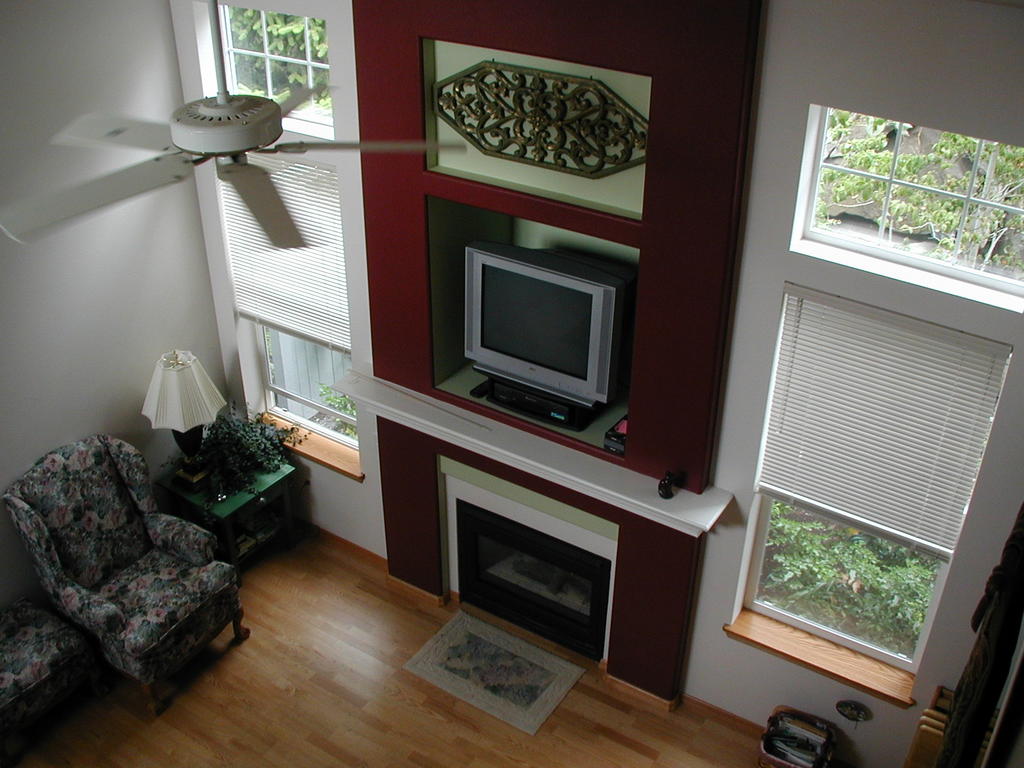
Interior Features : Bath Off Master, Ceiling Fan(s), Dining Room, Dble Pane/Strm Windw, Pantry, Security System, Vaulted Ceilings, Walk-in Closet


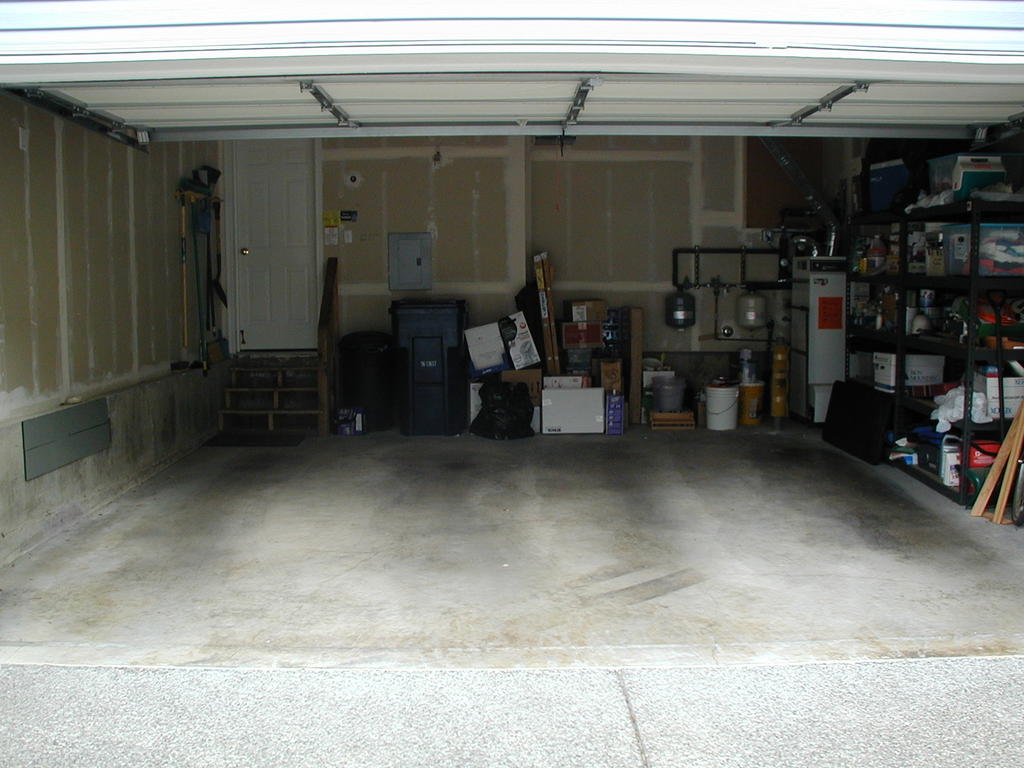
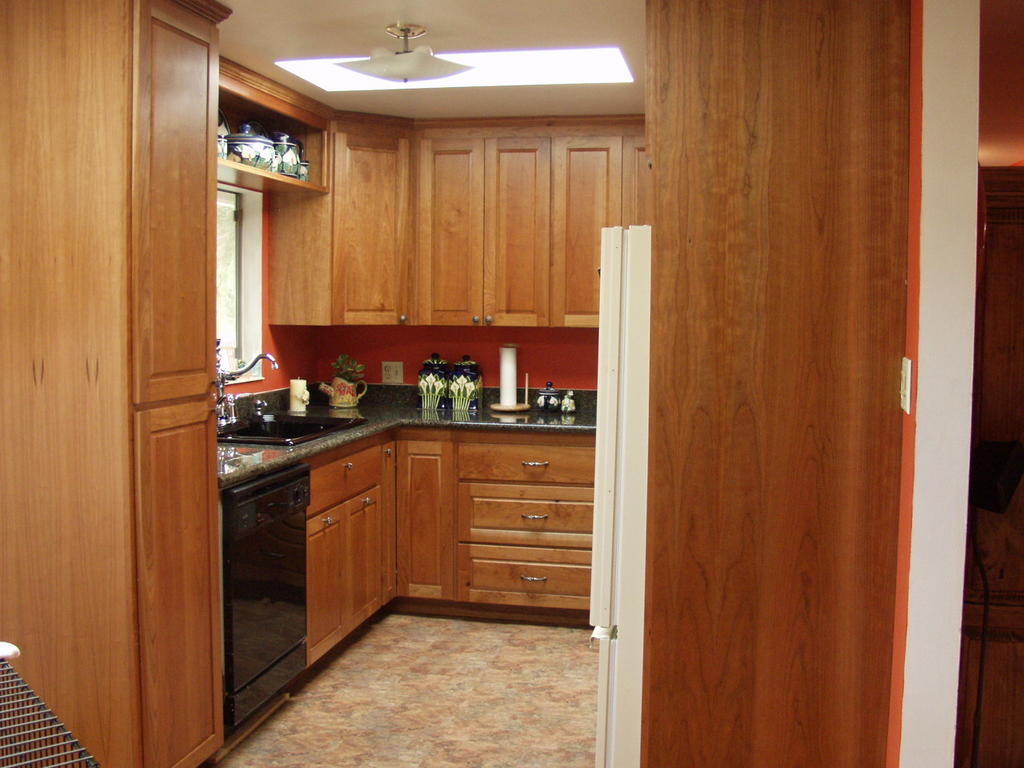
Location, Location. This wonderful town home has new red oak floors on the main level. The livingroom has vaulted ceiling and lots of tall windows. The diningroom has a glass sliding door to take advantage of the private back yard. Large kitchen with ample cabinets & counter space. This freshly painted home has a master bedroom with a large walk-in closet and a full bath. Also 2nd bedroom has it's own private bath. A 2 car garage,gas fireplace, powder room & much more. Come see it before it is too late.

Please Call me for more info.

(206) 406-2710

Lonnie Snyder / Keller Williams SE Sound
Lot Sizes And Square Footage Are Estimates.
Information From Reliable Sources, But Not Guaranteed.

What are the two most important factors when selling a home?


Price and condition are the two most important factors in selling a home, even in a down market. The first step is to price your home correctly. Use comparative sales information from your agent,(Thats me) or pay for a professional appraiser (usually $200 to $300), to objectively evaluate your home's worth. Second, go through the house and repair any obvious cosmetic defects that could deter a buyer.

In a down market, you may have to consider lowering your price and/or making a major repair, such as replacing the roof, in order to lure a buyer. Also, make sure that your home is getting the exposure it deserves through open houses, broker open houses, advertising, good signage and a listing on the local multiple listing service or online listings provider.

If this isn't happening, take it up with your agent or agent's broker. If you are still not satisfied you are getting the service you need, you may have to switch agents.

Thursday, September 08, 2005

Putting Your Home's Equity To Work.


Do you have idle equity sitting in your home that could be building wealth instead? One of the great aspects of homeownership is that you increase your wealth every month by building equity in your home and reducing your tax bill at the same time.After you've been in your home a few years, you may have some equity that you could put to work for you. Even if the property has appreciated by just a few percentage points per year, significant equity can build up fairly quickly. Just be sure you retain enough equity that you'll be able to pay a real estate agent's commission when you sell the home.
Home equity loans are the most common means of tapping a home's value. In states where home equity loans are not allowed, however, you can still put your home's value to work by refinancing it for more than you currently owe--a "cash out" refinancing.The first way most homeowners think of using their equity is to pay off high-interest debt. That's one popular option, but you could also invest that equity in other ways. Here are six more ways to put your equity to work for you.
1. Trade Up
Using your equity as a down payment for a larger home could make financial sense. If you're in a $200,000 home now and it appreciates by 5% each year, your gain is $10,000 for the first year. In five years, that home would be worth $255,256. But in a $275,000 home, that same 5% growth would be $13,750 for the first year. After five years, the more-expensive home would be worth $350,977-nearly $100,000 more than the less-expensive home.Of course, you may not be able to count on 5% appreciation every year. It could be higher or lower, depending on the state of the economy and market conditions. Not to worry, though. Even 2% appreciation will still add up over time.Using additional equity to trade up will allow you to put a significant amount of money down on your next home. That could allow you to own a home you never could afford before.
2. Downsize
Another way to use your equity is to scale down. With the recent changes in tax laws, homeowners may sell a home every two years and walk away with tax-free profits up to $250,000 (for singles) and $500,000 (for married couples). By scaling down, you can purchase a smaller, less-expensive primary dwelling, and use the extra cash for investments, debt reduction or even purchasing an investment property.
3. Investment Property
While the stock market often bounces up and down, many investors feel comfortable with the security of real estate. Not everyone has extra money to play the stock market profitably, but landlords can enjoy income every month. The secret is selecting the right property and finding expert property management if you don't want to manage the property yourself. We can help with both these issues."Some buyers have found it beneficial to purchase a property in the area where their college-age children are going to school. Their child can help manage the units and share the housing with other students to defray costs. The young adults learn responsibility and property management skills, and you have a live-in manager to watch over your investment.
4. Second Home
The real estate market has been fueled during the past few years by retiring baby boomers purchasing second homes. Maybe now is the time to purchase that home on the beach, at the lake or in the mountains. We can refer you to a knowledgeable agent in a resort area to help you with this move.If you know you're retiring to a particular area in the next few years, study that market now. You may want to buy the home now while prices are still affordable. If you do, you could rent the home during the peak vacation season. Many second homeowners discover they can just about cover their annual property expenses by renting out during peak season.
5. Shared Equity
Another way to put your idle equity to work is to lend it to an adult child as a down payment for his or her first home. Some parents maintain a co-ownership interest while the young adult makes the mortgage payments. At the time of the sale, the equity is then split between the two. This is called a shared-equity arrangement.
6. Remodel
If you really like where you're living, but desire a few more amenities, consider taking cash out for remodeling or adding to your current home. The interest paid on some home equity loans is tax deductible, just as it is with your first trust.

Wednesday, September 07, 2005

Are there programs for fixer-uppers?

If you need home loan to buy a "fixer-upper" and remodel it, look at the U.S. Department of Housing and Urban Development's Section 203(K) loan program. The program is designed to facilitate major structural rehabilitation of houses with one to four units that are more than one year old. Condominiums are not eligible.

A 203(K) loan is usually done as a combination loan to purchase a "fixer-upper" property "as is" and rehabilitate it, or to refinance a temporary loan to buy the property and do the rehabilitation. It can also be done as a rehabilitation-only loan. Investors no longer may participate - only owner-occupants. Owner-occupants are required to come up with only 3 to 5 percent. HUD requires that a minimum of $5,000 be spent on improvements.

Two appraisals are required. Plans and specifications for the proposed work must be submitted for architectural review and cost estimation. Mortgage proceeds are advanced periodically during the rehabilitation period to finance the construction costs.

Sunday, August 28, 2005

Here are some helpful tips to improve your credit score!

  1. First and most important, find out what is being reported about you. There are 3 major credit bureaus (Experian, Equifax, and Trans Union).
  2. Check the back of each report you receive, you’ll find an explanation of the codes used in the file. Study these codes so that you’ll know which accounts you need to concentrate on most while you’re performing each step of the credit repair process.
  3. The first items to search for are what are known as “charge-offs”. This means that the creditor has given up on trying to collect the debt and they have written it off as a loss. You can not repair your credit without getting these items removed from your credit reports.
  4. Contact each creditor that has charged off a loan asking for re-instatement.
  5. Next, search for late payment entries. These are usually pretty easy to clear up. Just contact the creditors and explain why you had difficulty making your payments on time. Ask the creditors to remove the late payment entries after you have made timely payments for a period of time, say 90 days. Most will.
  6. Judgments will need to be removed next. You’ll have to pay off these loans in full in order to do so. Contact the lender and make arrangements to pay off the amount due with an arrangement (in writing) that the judgment will be removed and the account reported as closed after full payment is made.

Friday, August 26, 2005

MT-SI Cedarcrest High School Tolo 2005


"A Red Carpet Affair"


Just as the cobbler's kids have no shoes the photographer has no current family photos so this will have to do. Can't wait to see everyone at the reunion. Joy and Roy Baunsgard with boys, Troy 3.5 yrs, and Macoy 6 months.

Thursday, August 18, 2005

MT SI Class Reunion Meeting

Hi Everyone, Save the date on your calendar for the next Class reunion meeting. Monday, August 22nd at 7:00pm at the Mount Si Golf Course Restaraunt for dinner and to view the facility and get some ideas, We got over half of our mailings back as "return to sender" so we have some work to do. I am working on a list so that we can start searching for the lost souls. As always please let me know if you have any current information on anyone.
More to come.
Thanks for your time and help.
JOY

MT SI Jeff Emanuel family


I live in Livermore, CA now. I moved here from Corvallis after I quit HP about 4 years ago. I'm a supervisor for a quality control and Inspection company. Our main business is in inspecting automobile parts prior to their getting installed on vehicles to prevent recalls and such.
I know I didn't graduate with you guys, but I lived in North Bend for alonger portion of my life than anywhere else, even to this day. I went to the graduation ceremonies in 85 with my friend Darryl Martin and watched ya'll graduate. My graduation was a week or two later down here in CA.

Here's a recent photo of me and my family. My wife, Sandi, and I got married in March of 1989. We are still married and we have two children, Brigette and Ryan (R.J.). Please post it for me. I'll look for you at the reunion.Thanks for offering the use of your web site.
Jeff

MT-SI Memories

It's hard to believe it has been ten years already. I am looking forward to seeing everyone once again.


It just happened that in the process of cleaning up that I found some old photos.


Please fell free to e-mail me any old or new photos of yourself and or your family.


I will gladly post them on my Blog. I believe this will be easier, and fun for everyone.


Also it will not cost anyone money to view the photos or to post anything here.
Please Email photos to lonnie@snyderrus.com
Well I'm not sure about anyone else but I most definitely have to go on a diet.

Take care everyone and hope to hear from you soon.

Lonnie

Sunday, August 14, 2005

Real-estate commissions evolving with market

By Elizabeth Rhodes
Seattle Times staff reporter
Q: How was the 6 percent commission paid by home sellers to real-estate agents established? It seems that with prices continuing to skyrocket, the commission doesn't really align with anything. For example, when I bought my house three years ago, the seller paid $20,000 in commissions. If I were to sell it now I'd pay about $27,000. Surely the cost of agents doing business hasn't jumped 35 percent in three years.
A: There's been an evolution in real-estate commissions over the years, said Dick Fulton, the Northwest Multiple Listing Service 2005 chairman of the board and a broker for Coldwell Banker Bain's Lake Union office.
In the 1920s, for example, a Washington real-estate association recommended a 5 percent commission to be paid by the seller. Years later, the federal government said that the use of an industry-wide commission schedule amounted to illegal price-fixing.
For the past 25 years or so, commissions have been in the 5 to 7 percent range. In recent years, discount brokerages have cropped up that charge a lesser percentage or a flat fee, usually several hundred dollars.
"The Department of Justice and the Federal Trade Commission preclude any discussion between real-estate companies on the fees they charge," Fulton said. "It must be an independent decision."
In setting their fees, real-estate companies consider "their own business model based on their expenses, profits and what's in the best interest of their clients and agents," Fulton said. The level of services also plays a big role in setting commissions.
Discount firms, for example, often don't advertise homes beyond putting them on the Internet, do not hold open houses, and don't act as an intermediary in negotiations between buyer and seller. Full-service firms, by contrast, may do all that and hold "brokers open houses" — complete with a buffet lunch — to attract other agents who may have buyers at the ready.
All this means that sellers considering working with a particular agent need to be fully informed about which services they need, which will be provided and which won't because they can vary widely. And commissions are negotiable.
According to a national real-estate-industry survey Fulton cited, the average increase in expenses for large real-estate companies has gone up 33.5 percent a year from 2000 to 2004.
"The primary contributors to that were rent increases, salary increases for support staff, Web site development and Internet tools," Fulton said.
By comparison the Everett-Seattle-Tacoma Consumer Price Index rose 9.4 percent between March 2002 and April 2004.
Fulton added one more telling detail: It's easy to think that agents representing sellers don't have to do much in the kind of sizzling market we have now, where attractive, well-priced, well-located homes sell almost instantly.
But that's not true, Fulton said, citing a home on Seattle's Queen Anne Hill that received 24 offers.
"The expertise involved today in helping a seller navigate through a multiple-offer situation is very demanding," Fulton said.
Ultimately that home sold for tens of thousands over the asking price.

2006 Harleys revealed


Harley has revealed its 2006 model line up with a new version of the V-Rod and updates for the Dyna range.
The VRSCD Night Rod includes a ‘black denim’ paint option, blacked-out controls, mirrors and shocks and a blacked-out polished engine.
There are new slotted disc wheels, too.
The FXDI35 is a 35th anniversary Super Clide with wide bars a Fat Bob fuel tank (with dual filler caps) loads of chrome and the No1 logo just like the first model, 35 years ago.
For more on the 2006 Harleys follow the links below.

Click here for more pictures and specs of the Night Rod from Harley’s own site.
Click here for more pictures and specs of the FXDI 35th Anniversary Super Glide from Harley’s site.

Saturday, August 13, 2005

Wireless connection lost : solution, fix

My father is in town visiting this week. So we pulled out our laptops to look at our favorite Blogs and to let him get caught up on his e-mail. After 5 to 15 minutes he would lose his wireless connection.
After searching this problem on Google I noticed a few things.

1. Reading through the 25 to 30 reports no one responded with a fix.
2. Everyone had different computers and routers.
3. Everyone was using Windows XP.

As I was checking my router settings and my father's laptop to make sure everything was correct I noticed my laptop never lost connection. the only difference between the two was that my father was letting windows configure his wireless settings.
Once I unchecked that box everything was fine. If you do not have another program to manage your wireless settings you will need to check the box and then uncheck it to remain connected.

So for those of you who need help getting there, here we go :
1. Click on your wireless network connection somewhere along the bottom right of your screen.
2. Click on Status.
3. Click on properties.
4. Click on wireless networks.
5. Uncheck the box at the top that says use Windows to configure my wireless network settings.

Again if you don't have another program managing your wireless settings you will need to check that box and then once you are hooked up to the network just uncheck the box to stay connected.

Hope this helps everyone out there.

Friday, August 12, 2005


Lets go for a ride.

Thursday, August 11, 2005

10 Ways to Make Your Home Irresistible at an Open House

1. Put fresh or silk flowers in principal rooms for a touch of color.

2. Add a new shower curtain, fresh towels, and new guest soaps to every bath.

3. Set out potpourri or fresh baked goods for a homey smell.

4. Set the table with pretty dishes and candles.

5. Buy a fresh doormat with a clever saying.

6. Take one or two major pieces of furniture out of every room to create a sense of spaciousness.

7. Put away kitchen appliances and personal bathroom items to give the illusion of more counter space.

8. Lay a fire in the fireplace. Or put a basket of flowers there if it’s not in use.

9. Depersonalize the rooms by putting away family photos, mementos, and distinctive artwork.

10. Turn on the sprinklers for 30 minutes to make the lawn sparkle.

Thursday, August 04, 2005

Buying a home directly from the owner will save on the cost of the house, right?

Wrong! The "for-sale-by-owner" sellers are doing their own marketing to save the commission a professional real estate agent would charge. So what is left for you to save? In fact, you might end up paying more if the house is overpriced. Beware of these costly pitfalls:
Confusion

You end up dealing, in many cases, with an untrained novice who is not familiar with real estate law or the real estate code of ethics. Something might be overlooked that will cost you money later.

Additional legal costs
You will need a lawyer to draw up your sales contract, which should include safeguards for you that an experienced agent would typically suggest, such as making the contract contingent on a home inspection and approval of your mortgage loan.

You will have to be your own negotiator
Also, without agents involved, you would have to conduct your own negotiations on the contract and make sure all the details are taken care of before closing.

As a professional with the answers to your home-buying questions, I can make your search for a new home less confusing. Call or e-mail me, or click on "Comments" and ask your own questions.

Monday, August 01, 2005

What is a contingency?


A contingency is a condition on the sale put into the contract by either the buyer or seller to protect against specific eventualities.
Examples of common contingencies are: a requirement that the buyer obtain financing or sell the current home; the seller has a home inspection done; or the seller must repair certain items before settlement. Contingencies can be removed by an addendum to the contract, or they can expire if a time limit is specified in the contract.


Do you have more questions? Are there other terms you don't understand? Fell free to contact me. Just post it in the Comments & I will get that info for you.

Tuesday, July 26, 2005

The Rising Cost of Real Estate


The fact that the price of real estate is constantly on the rise is not really a surprise to anyone, is it? After all, everyone knows that they stopped making land a long time ago. In elementary school, we learned about the famous Law of Supply and Demand. As the supply shrinks, the demand always increases. Because the supply has been getting smaller and smaller, since the dawn of time, it makes perfect sense that the demand has been increasing significantly.
As a rule of thumb, the price of real estate doubles every 10 years. So if you buy land today, for $10,000, it’ll be worth about $20,000 ten years from now. Again, this is a rule of thumb, but historically it has proven to be accurate.
One of the major reasons for the rising cost of real estate is the growth of our world population. Take Phoenix, Arizona, for example. In 1940, the population was a small 186,000. By 1994, the population had reached over 1.5 Million. Las Vegas, Nevada, is another fast-growing area. Today, the population is nearly 1.1 Million, up from just 460,000 twenty years ago. Yes, the population more than doubled in twenty years!
You don’t have to look very far to see the effects of rising land prices. How many times have you talked to an old timer who said to you “Twenty years ago, I had the chance to buy that place for only $32,000. And they just sold it for $250,000….” These aren’t rare circumstances. They’re normal, common, everyday events.
In the San Francisco Bay Area, demand for new houses has sent land prices skyrocketing as high as 100% over the past four years. Builders are scrambling for parcels. One such parcel of ground, just 4.7 acres close to the freeway in Del Mar, California, was recently offered at the stunning price of $6.7 Million!!!
There are a few times, however, when land prices tend to stay flat, or even decline. Southern California in the early ‘80s is a good example. During times of severe, and I do mean severe economic slumps, real estate values have a tendency to stay flat. When the economy recovers, and buyers, builders and investors begin purchasing again, the prices quickly increase.
Inflation is another key to the rising cost of real estate. Remember how a loaf of bread used to cost less than fifty cents? Now it's $1.99 or so. The same is true in real estate. The same dollar today just won't buy as much property as it did yesterday. Inflation, especially when combined with rising wages, has created an environment in our real estate markets where the value of the dollar is diminished versus our buying power in times gone by.
Remember the Law of Supply and Demand and inflation, and remember that they quit making land a long, long time ago.

Tuesday, July 12, 2005

Flyer


Lets go for a ride.

Monday, July 11, 2005

Sunday, July 10, 2005

Thursday, June 30, 2005

Pricing too high can be as bad as pricing too low.

Selling a house can be a bit like having a baby -- everyone gives you advice that you may or may not have asked for, in spite of the fact that the experience is unique to each individual every time. And just like having a baby, there are many myths and "old wives' tales" to be de-bunked.

Myth: You should always price your home high and gradually correct the sales price downward.
Truth: Pricing too high can be as bad as pricing too low.
Your strategy in listing high may be that you will always have the chance to accept a lower offer. But the truth is that if the listing price is too high, you'll miss out on a percentage of buyers looking in the price range where your home should be. Offers may not even come in, because the buyers who would be most interested in your home are scared off by the price and won't even take the time to look. By the time the listing price is corrected, you may have already lost exposure to a large group of potential buyers. Your real estate agent will be able to offer you a comparable market analysis for your home. This is essentially a document that compares your home to other similar homes in your area, with the goal of helping you to accurately assess your home's true market value.

Monday, June 13, 2005


Lonnie Snyder
Ready for summer. Let's go for a ride.

Thursday, June 02, 2005

What Is Appraised Value?

It’s an objective opinion of value, but it’s not an exact science so appraisals may differ.
For buying and selling purposes, appraisals are usually based on market value—what the property could probably be sold for. Other types of value include insurance value, replacement value, and assessed value for property tax purposes.
Appraised value is not a constant number. Changes in market conditions can dramatically alter appraised value.Appraised value doesn’t consider special considerations, like the need to sell rapidly.Lenders usually use either the appraised value or the sale price, whichever is less, to determine the amount of the mortgage they will offer.

Monday, May 30, 2005

How High Tech Is Your Home?

If the latest technology or entertainment options are important in your new home, add the following questions to your buyer’s checklist.
1. Are there enough jacks in every room for cable TV and high-speed Internet hookups?
2. Are there enough telephone extensions or jacks?
3. Is the home prewired for home theater or multi-room audio and video?
4. Does the home have a local area network for linking computers?
5. Does the home already have wiring for DSL or other high-speed Internet connection?
6. Does the home have multizoning heating and cooling controls with programmable thermostats?
7. Does the homes have multiroom lighting controls, window-covering controls, or other home automation features?
8. Is the home wired with multipurpose in-wall wiring that allows for reconfigurations to update services as technology changes?
Visit the Consumer Electronics Association (www.ce.org/techhomerating) for a complete Tech Home™ Rating Checklist.

Monday, May 23, 2005

Motorcycle Insurance

The Basics

Okay, so you've just roared into town on your hog, and the new neighbors are getting nervous because you're wearing black leather and a chain link fence. You're thinking about unpacking boxes, but they're more concerned with bodily injury and property damage. Lucky for them, and you, those provisions are covered under a motorcycle insurance policy. Coverage for motorcyclists is basically the same as for automobile owners - but there are some minor differences.

  • Liability. Most states require motorcyclists to carry a minimum amount of liability in case of third party injuries, however insurance experts recommend purchasing as much as three times the minimum in these times of expensive litigation. The liability package also offers Guest Passenger Liability, coverage that offers injury protection to anyone who might climb on the back of your bike.
  • Collision. This coverage reimburses for damage to your motorcycle in case of an accident - minus the deductible. Coverage extends only to the factory parts of your bike. If you get fancy and add anything extra—like nifty chrome accessories - additional coverage will be required for compensation.
  • Comprehensive. This reimburses you, less the deductible, for circumstances other than accident, like vandalism, fire or theft.
  • Uninsured Motorist. If the knucklehead who hit your bike is uninsured, this coverage pays the medical bills and any lost wages you incur while out of action.
  • Underinsured Motorist. This coverage reimburses you if the knucklehead who hit you doesn't have enough insurance to cover all your damages.

Insurance premiums are determined by factors such as your age, driving record, what kind of bike you own and where you garage it. Unless you're high risk, there are ways to keep your costs down so you won't have to pay exorbitant rates. Insurers look kindly on clean driving records, no accidents and graduates from "ride-training" courses, which can earn you a discount of up to 15%

Discounts are also available if you belong to a motorcycle organization, are a "mature" motorcyclist, or if you insure with the same company that underwrites your car. Finally, if you reside in northern climes, you can check into a "lay up" policy, which suspends all coverage (except comprehensive) during those cold winter months.

Wednesday, May 18, 2005

Can you negotiate the price on new homes?

It can be difficult to negotiate the sales price with a developer because they may claim their prices are based on fixed construction costs. But it doesn't hurt to try. Experts say builders more likely to be flexible on price at the very beginning and the very end of a development project. Early on, most developers want to move people in quickly so the project picks up momentum. Later, developers may be more inclined to accept lower offers when only a few units remain. If negotiating the price doesn't work, buyers commonly negotiate for better amenities (upgrade carpet, light fixtures, etc.) or lot location. Experts say a developer will rarely pass up a deal over a couple hundred dollars' worth of carpeting, for example.

Saturday, May 14, 2005

The Garage Sale

Having a garage sale prior to your move can help in two big ways:
.Depending on how well you fit the description of a pack rat, you could potentially earn a nice chunk of change.
.A methodical look at all of the things that you’ve collected over the years, followed by a big kiss goodbye to your favorite old T-shirts means fewer items to move.
Some additional tips:
.Hold your sale on the weekend and when the weather is mild.

If you have the time, make it a two-day extravaganza and make sure to have a friend or family member on hand with you.
.Remember The Golden Rule of garage sales: “Anything goes."

If you have doubts about the value of one of your items, put it out anyway. You never know when a complete stranger may want to buy your used flip-flops.
.Think about where you're moving your stuff and what items might be obsolete there.

A snow-blower in Miami? And don’t forget that some items might cost more to move than to replace--firewood, for example.
.Price items realistically.

Put yourself in the buyer's shoes: How much would you be willing to pay for clothing that went out of style 10 years ago?
.Check your ego at the door.

There’s a good chance that some of your most treasured items will be purchased for a costume or Halloween party.
.Keep the set up simple and organized.

Arrange your wares so that browsers have room to comfortably walk around. If possible, make an electrical outlet available to test appliances.
.Secure all cash that you receive in a safe place.

Keep out only enough money to make change and put the rest in the house. Don't accept checks unless you're well acquainted with the buyer.
.Place a classified ad in local papers, featuring your best or most unusual items.

It’s also good to take advantage of any free advertising in your community i.e. supermarket bulletin boards, church, school or local Internet community. Put up your signs a day or two before your sale. You can also have your sale announced for free by a local radio station that hosts a swap-and-shop program.

Post-sale leftovers? Show some kindness and donate them to charitable organizations. Some will send a truck to your home to pick up the goods(be sure to get a receipt, as your donation may be tax-deductible). If you’re turned down, simplify things by throwing out the item(s) in question.

Friday, May 13, 2005


Let me help you. Posted by Hello

What Are Points?

Points are one type of fee paid at closing by you to your mortgage lender. There are two types of points: Origination Points and Discount Points. Each point equals 1% of your loan amount. For example, 1 point on a $100,000 loan would cost $1,000.

What is the difference between Origination Points and Discount Points?


They differ in where they are applied. Origination points are charged to recover some costs of the loan origination process. Typically, your Loan Officer's compensation is based on the Origination point(s). Depending on the lending institution, the Origination Point(s) may be negotiable in whole or in part.
Discount Points are used to "buy" your interest rate lower. This is known as a rate "buydown." A general rule of thumb is that one full Discount Point will lower your fixed interest rate .250% or your adjustable rate .375%. These points lower the interest rate for the entire term of the loan. There is usually some flexibility by the lending institution in determining the actual buydown formula, but less than with Origination Point(s).

Is there an advantage to paying one type over the other?


Actually, there may be, depending on your tax situation. There is no advantage to paying an Origination Point instead of a Discount Point. However, the Discount Point(s) that you pay may be tax deductible. Unfortunately, Origination Points are not usually tax deductible. The Discount Points are usually deducted under Schedule "A" of your IRS 1040 tax return. If you do not itemize your deductions (by taking the Standard Deduction) for other tax-related reasons, you may not be able to deduct the cost of the points when filing your tax returns. Please consult your tax adviser to determine if you qualify for these deductions.

Why do some lenders charge points but others don't?


It is up to the individual lender whether or not they charge Origination Point(s). Almost every lender's pricing includes different levels of Discount Points. They may offer options with no points, 1 point, 2 points and maybe even more. The more points that you are willing to pay, the lower the interest rate the lender will offer you. It is common for each option to include fractions of points (for example, 1.25 points). Most lenders advertise their 0 point interest rates while others list their lowest possible rate with several points attached. When comparison shopping, make sure that you know all fees that are being charged. A lender offering 7.000% + 1 Discount point but 0 Origination Points may be a better deal than the lender offering the same rate with 0 Discount Points but 1.500 Origination Points. Both types of points are calculated using the same formula. Before making a final decision, look over all details of the offer, not just the interest rate.

Thursday, May 12, 2005

So You Got Declined...

You need a loan, but your credit won't allow you to get any of those great rates. You'll be glad to know there are alternatives. In fact, There's a whole segment of the mortgage industry that only lends to people who, for whatever reason, find themselves with less-than-perfect credit.
Called "B paper" in industry lingo, loans offered include 2/28 and 3/27 loans. The number before the slash refers to the number of years that the initial rate is fixed. After that, the rate changes on a predetermined schedule (usually every 6 months or 12 months) for the remainder of the life of the loan. The amount of the rate change (called an Adjustment) is determined by a mathematical formula based on the U.S. bond market (typically the yield on the 1 Year U.S. Treasury Bill). The 2/28 is usually the best place to start for two reasons, one of which impacts the other. These B paper loans usually have a two-year prepayment penalty, meaning you can't refinance for two years.
Most A paper lenders want to see 24 months of on-time mortgage payments in order to approve a loan. So, if you get that 2/28 loan with a two-year prepayment penalty, you can put up with a higher interest rate, rebuild your credit, and refinance into a better loan at the end of two years.
B paper is just as competitive as A paper, if not more so. There are plenty of lenders out there, so although you won't get the lowest possible rate, you also don't have to pay an exorbitant amount in points on top of the higher rate. (One point is one percent of your loan amount.)
Remember that you're not only getting a loan. You're also rebuilding your credit. Think how good your credit report will look two years from now when you have 24 on-time payments behind you. Then you can apply for an A paper loan with confidence. On Monstermoving.com, you can compare up-to-date rates from over 1,400 lenders including B Paper lenders!

Wednesday, May 11, 2005

Dear Twinkie: Happy 75th, sweetcakes


By Candy Sagon
The Washington Post

C'mon, admit it. You eat Twinkies. You love 'em.
Maybe you feel a little guilty about it, but you're not alone. Americans spent $47 million on them in the past year.
That's right. The junk food we love to ridicule.
And yet despite it all, Hostess makes 500 million of them every year. And sales are increasing, according to Information Resources, a Chicago firm that tracks retail sales and trends.
This year the little cream-filled, yellow spongecake celebrates its 75th birthday — and no, it's not because the same ones have been on the shelf for that long. That's just one of the urban myths surrounding the snack cakes that were invented in 1930.
Back then, James Dewar, manager of Chicago's Continental Bakery, wanted to find another use for his company's shortcake pans. He decided to fill the small, oblong cakes with a banana-cream filling and name them after the "Twinkle Toe" shoes he saw advertised on a billboard in St. Louis. Banana-cream-filled Twinkies, selling two for a nickel, debuted as part of the Hostess baked-goods line. During World War II, when there was a banana shortage, the filling flavor changed to vanilla.
By the 1950s, Twinkies had become a school lunchbox staple. In 1999, President Clinton and the White House Millennium Council selected the Twinkie to be preserved in the nation's millennium time capsule, calling it an enduring American icon.
Nutritionists scoff at them for being fatty and sugary, but that doesn't keep Hostess from turning out about 1,000 per minute. And just in case you wondered exactly how that happens, the cakes are baked for 10 minutes, then the cream filling is injected through three holes in the top, which is browned from baking. The cake is flipped before packaging, so the rounded yellow bottom becomes the top.
The Twinkie factory is still in Chicago, which also happens to be the American city with the highest per capita consumption of Twinkies. Chicagoans can go to comfort-food restaurant Kitsch'n for Twinkie Tiramisu. Or Swank Frank, which sells those state-fair favorites, deep-fried Twinkies.
The cakes' sturdiness and longevity have led to the myth, say Hostess officials, that Twinkies have a shelf life measured in years, even decades.
In reality, Twinkies' shelf life is more like 25 days, says Theresa Cogswell, who calls herself the Twinkie guru and is vice president for research and development at Interstate Bakeries, the parent company of Hostess.
Still, a 25-day shelf life is pretty long. Twinkies are basically flour, sugar (three kinds of it), oil, eggs and chemicals (mainly preservatives and stabilizers). They're 150 calories each, about a third of that from fat. Cogswell doesn't think that's so bad. "There's no bad foods — just bad quantities," she says.
Lewis Browning, a retired milk-truck driver, has been eating one or two Twinkies a day for 64 years. "Had one for breakfast this morning with a banana and a glass of milk," he says from his home south of Indianapolis. The 22,000 he's eaten have earned him an appearance on "The Tonight Show With Jay Leno" and a lifetime supply of Twinkies from Hostess.
Others save their Twinkies for special occasions. Like weddings. Philip Delaplane, 50, a chef and instructor at the Culinary Institute of America in New York, says he's loved Twinkies since he was a child. So does his wife, Pam. For their wedding last year, Delaplane built a four-tier wedding cake out of Twinkies and other Hostess snack cakes. "We didn't want anything too stuffy. We wanted something fun," he says.
Although he had back-up desserts in case guests balked at eating junk food, he needn't have worried. "They devoured the cake," he says. "I had used toothpicks to attach the snack cakes to Styrofoam forms and they just yanked them all out. It was the talk of the wedding."
While people like Delaplane maintain a nostalgia for the Twinkies of their youth, the snack cake has been linked to several not-so-sweet events.
When Minneapolis City Council candidate George Belair served Twinkies and other refreshments to two senior citizens' groups in 1985, he was indicted for bribery in what the newspapers dubbed "Twinkiegate." Although the charges were eventually dropped, the case led to a Minnesota fair campaign act, popularly known as the "Twinkie law." The law was repealed in 1988.
And, of course, there's the famed courtroom defense in the 1979 trial of former San Francisco supervisor Dan White, accused of shooting the city's mayor and another supervisor. White's attorneys argued that he suffered from severe depression that had been exacerbated by junk food bingeing. Although Twinkies were only mentioned in passing, the term "Twinkie Defense" was quickly coined by journalists to explain the legal strategy that led to White's conviction on a lesser charge.
Having a product linked to such dubious outcomes might upset some companies, but Hostess officials seem unperturbed. "[Twinkies] are a constant in your life. They always come back around," says Cogswell, who has worked for Hostess for 20 years. "The way we look at it, sometimes you just need a sugar fix."

Friday, May 06, 2005

Home-Buying Primer

You know you are ready to buy a home when owning is cheaper than renting and a home purchase is a natural fit for your lifestyle and financial needs, goals and obligations. Instead of making the home-buying decision based on income alone, consider it in a more holistic context that includes your complete financial picture. Viewing home buying in a vacuum is a common misstep first-time homebuyers should avoid. Other potential slip-ups include:
Not knowing the market
In a buyer's market, buyers who feel a competitive edge are more likely to leap before they look. The glut of information on the Internet makes obtaining home buying and local market knowledge a relatively easy task. Real estate agents, brokers, lenders, title companies and other real estate professionals offer free seminars, workshops and classes. The vast library of real estate guidebooks can also give you an edge. A lack of knowledge about home buying and market conditions tends to perpetuate additional buying errors.
Failing to get pre-approved
Get pre-approved - in writing - for what you can afford, not what the lender is willing to lend. A written pre-approval reveals that you are serious about buying and it helps prevent you from shopping for more than you can afford.
Low-balling
Uneducated buyers tend to offer too little and ask for too many concessions, including asking the seller to pick up buyer's costs, to make extensive repairs, or to provide a home warranty. That could insult the seller, even in a buyer's market. In a seller's market, it will alienate a seller who has taken the time to price the home right and prepare it for market.
Paying too much
Avoid multiple-offer bidding frenzies. Make the same price checks sellers make to price their homes right -- get comparables, track sale prices in your area, scan the local newspaper to check asking prices, visit open houses and use a knowledgeable real estate agent.
Failing to buy low now to sell high later
Buy the least expensive house on the best block. Buy into the least expensive neighborhood in the best community. The cheapest home in a neighborhood, community or region in transition provides the greatest return on your investment in any market. As you learn to avoid mistakes, you'll find it easier to put your emotions on hold long enough to reach your goal. That prevents buyer's remorse, an all-too-common malady suffered by ill-prepared buyers.

Tuesday, May 03, 2005

May Maintenance Checklist

May's long days and mild weather energize most homeowners. The projects that seemed daunting in December become feasible thanks to more daylight and balmier temperatures. This is also the month to transition from indoor-focused winter living to outdoor-oriented summer living.
Exterior checkup
How did your home's exterior survive the winter? Check for and repair cracks in siding. Inspect exterior caulking, and replace if it has pulled back from surfaces or is crumbling. Patch any gap that allows water to penetrate siding. This is an especially important step if you plan on painting your home's exterior during the warmer months. Clean siding with a garden hose and long handled brush. Prime and touch up spots where paint is peeling, or simply prime if a big painting job is scheduled for later in the season.
Watch for pests
Warming weather activates insects. Carpenter ants and termites need bridges into your home, so inspect the perimeter and eliminate wood-to-earth contact and any vegetation touching the structure. Survey trees near your house for insect holes or rot, and do not stack firewood close to any structures. Look for actual insect activity after dark, when pests are active.
Maintain floors
Help your floors recover from the abuse they endured during the recent muddy months. Dirt shortens the life of carpets, vinyl floors and wood floor finishes. Deep clean your carpets and area rugs, wax and buff wood floors, and strip and clean vinyl and linoleum.
Clean fireplace and chimney
Clean the ashes from your wood-burning stove or fireplace and empty the ash pit. Clean your chimney at the end of the heating season, before deposits can harden and cause corrosion in the flue. Professional chimney sweeps can also inspect and report on your chimney's condition. Consider installing a spark arrester on your chimney after cleaning: It won't keep only large burning embers from escaping your flue—it'll also prevent birds and other critters from nesting in it.
Check and clean decks and patios
Your decks will experience more traffic in the coming warm weather—check them for structural soundness and dry rot, especially if they're up high. Replace rotted posts and floorboards. Brace wobbly posts by tightening bolts or adding galvanized reinforcing plates. Scrub deck with a solution of water and trisodium phosphate or a commercial deck cleaner (which may darken some types of wood). Edge around concrete patios.
Prepare pools and spas for use
Uncover and clean pool. Make sure pool gates and alarms are in good working order. Drain and clean hot tub or spa, and replace filter. Clean and condition spa cover to protect from ultraviolet deterioration.
Maintain driveway
Now that the rains of winter and spring are over, walk your driveway and note any cracks or potholes that need filling. Fixing these problems on a regular basis ensures that small potholes don't develop into sinkholes, and prepares asphalt driveways for sealing, if needed, during the warmer summer months.
Get air conditioners in good condition
Clean air conditioner filters and condenser coils monthly as soon as the cooling season begins. Make sure outdoor portions of window units are clean and free of debris. If you have an evaporative air conditioner, clean it, oil the pump and blower, check the belt and replace the blankets.
Maintain heaters
It seems counterintuitive, but spring is the best time for having your heating system serviced. Schedule your yearly checkup for forced air, oil and gas heating systems now, while technicians aren't responding to emergency fall and winter calls. Also, remember to clean filters once a month, and keep vents clear.
Check ceiling fans
Clean ceiling fans and light fixtures. Make sure fans are set to spin clockwise to cool your home in hot weather.
Eliminate clutter with a garage sale
May is the peak of garage sale season. As you stash winter's skis, sweaters and snow shovels and break out camping gear, shorts and gardening tools, set aside items you no longer need and have a garage sale. Sell your clutter on a Saturday, then on the following Sunday clean your newly spacious garage and enjoy closet doors that actually close.

Monday, May 02, 2005

What do all of those real estate acronyms in the ads mean?

If you find yourself stumbling over weird acronyms in a real estate listing, don't be alarmed. There is method to the madness of this shorthand (which is mostly adopted by sellers to save money in advertising charges). Here are some abbreviations and the meaning of each, taken from a recent newspaper classified section:
* assum. fin. -- assumable financing
* dk -- deck
* gar -- garage (garden is usually abbreviated "gard")
* expansion pot'l -- may be extra space on the lot, or possibly vertical potential for a top floor or room addition. Verify actual potential by checking local zoning restrictions prior to purchase.
* fab pentrm -- fabulous pentroom, a room on top, underneath the roof, that sometimes has views
* FDR -- formal dining room (not the former president)
* frplc, fplc, FP -- fireplace
* grmet kit -- gourmet kitchen
* HDW, HWF, Hdwd -- hardwood floors
* hi ceils -- high ceilings
* In-law potential -- potential for a separate apartment. Sometimes, local zoning codes restrict rentals of such units so be sure the conversion is legal first.
* large E-2 plan -- this is one of several floor plans available in a specific building
* lsd pkg. -- leased parking area, may come with an additional cost
* lo dues -- find out just how low these homeowner's dues are, and in comparison to what?
* nr bst schls -- near the best schools
* pvt -- private
* pwdr rm -- powder room, or half-bath
* upr- upper floor
* vw, vu, vws, vus -- view(s)
* Wow! -- better check this one out.