My wife and I want to buy our first home, as she is expecting in about six months. However, the area where we want to buy is in a "buyer's market" with lots of homes for sale. We notice many "price reduced" hangers on the for-sale signs, so we are in no hurry to buy. The block where we almost bought a house last weekend has three houses listed for sale out of 20 houses on the block. How can we avoid paying too much?
Before you make a written purchase offer, ask your buyer's agent to prepare a written comparative market analysis, or CMA. This is the same form that listing agents prepare for their sellers at the time a home is listed for sale.
Thursday, August 31, 2006
Tuesday, August 22, 2006
How To Put Your Sale On The Fast Track
It's every home seller's dream -- a fast sale. In today's market, crossing the finish line first, fortunately, isn't a matter of luck. To win the home-sale race, you have to stay ahead of the pack. Price the house right, market the house competitively, and make sure the house is in move-in condition.
Here are 3 key ways you can get your home on the home sale fast track:
1. Price To Sell
Don't over price.
A nationwide survey of the National Association of Realtors found homes that sell within four weeks of the initial listing sold for close to the original asking price. Homes on the market for up to six months sold for about 7% less than the asking price. Listings that languished for more than six months sold for 15% less than the asking price. Experience shows: a too-high price results in a slow-to-sell home.
Expertise pays off.
This is an area where our neighborhood expertise pays off. By performing a competitive market analysis, we can help you determine the best possible price--one that puts the most money in your pocket and gets it sold fast. We'll study listing and selling prices for similar homes in your neighborhood and compare your home's special features, improvements and condition. Interest rates, local economic trends and the availability of homes for sale in your area will also affect your home's value. The feedback we glean regularly from home seekers helps us keep our sellers informed of what today's buyers want and are willing to pay.
Be realistic.
The more realistic the asking price, the sooner your home will sell. Unrealistic prices, on the other hand, are the major cause of "shopworn" listings, causing potential buyers to wonder if something is wrong with the home beyond price.
2. Results Marketing
Create a marketing plan.
Once you've established a selling price, the next step in your fast-track strategy is a maximum-exposure marketing plan. An effective marketing plan can include:
• Tours to familiarize other agents with your home.
• Showing your home to qualified buyers.
• Advertising your home where it counts.
Offer buyer incentives.
For example, sellers can help with closing costs, provide a home warranty, give allowances for carpet or draperies, or pay utilities or lawn service for a limited time. Lowering cash barriers to the purchase will significantly enlarge the circle of potential buyers. We can discuss many other ways to market your home so it stands out from the competition.
3. Showplace Condition
Move-in condition.
To tempt a buyer, your home has to be inviting. Today's buyers generally don't have the time to do their own fixing up, so for maximum appeal your home must be in move-in condition.
Focus on curb appeal.
First impressions really do count. Inside your home, recognize that living condition is different from showing condition. Prospective buyers want to see your home in near-perfect condition, even if that's not the way they'll keep it once they move in. Make your home a "showplace" and you'll soon be taking a victory lap after a fast sale.
Give us a call for more tips on getting your home ready to sell, developing an effective marketing plan, or setting the right price for your home. With our experience and track record, together we can make sure you finish a winner.
Here are 3 key ways you can get your home on the home sale fast track:
1. Price To Sell
Don't over price.
A nationwide survey of the National Association of Realtors found homes that sell within four weeks of the initial listing sold for close to the original asking price. Homes on the market for up to six months sold for about 7% less than the asking price. Listings that languished for more than six months sold for 15% less than the asking price. Experience shows: a too-high price results in a slow-to-sell home.
Expertise pays off.
This is an area where our neighborhood expertise pays off. By performing a competitive market analysis, we can help you determine the best possible price--one that puts the most money in your pocket and gets it sold fast. We'll study listing and selling prices for similar homes in your neighborhood and compare your home's special features, improvements and condition. Interest rates, local economic trends and the availability of homes for sale in your area will also affect your home's value. The feedback we glean regularly from home seekers helps us keep our sellers informed of what today's buyers want and are willing to pay.
Be realistic.
The more realistic the asking price, the sooner your home will sell. Unrealistic prices, on the other hand, are the major cause of "shopworn" listings, causing potential buyers to wonder if something is wrong with the home beyond price.
2. Results Marketing
Create a marketing plan.
Once you've established a selling price, the next step in your fast-track strategy is a maximum-exposure marketing plan. An effective marketing plan can include:
• Tours to familiarize other agents with your home.
• Showing your home to qualified buyers.
• Advertising your home where it counts.
Offer buyer incentives.
For example, sellers can help with closing costs, provide a home warranty, give allowances for carpet or draperies, or pay utilities or lawn service for a limited time. Lowering cash barriers to the purchase will significantly enlarge the circle of potential buyers. We can discuss many other ways to market your home so it stands out from the competition.
3. Showplace Condition
Move-in condition.
To tempt a buyer, your home has to be inviting. Today's buyers generally don't have the time to do their own fixing up, so for maximum appeal your home must be in move-in condition.
Focus on curb appeal.
First impressions really do count. Inside your home, recognize that living condition is different from showing condition. Prospective buyers want to see your home in near-perfect condition, even if that's not the way they'll keep it once they move in. Make your home a "showplace" and you'll soon be taking a victory lap after a fast sale.
Give us a call for more tips on getting your home ready to sell, developing an effective marketing plan, or setting the right price for your home. With our experience and track record, together we can make sure you finish a winner.
Tuesday, August 15, 2006
Motrgage 101
Mortgage 101
By Broderick Perkins, DeadlineNews.com
______________________________
Once a simple task that meant comparing the fixed interest rate mortgages of a dozen or so lenders, the mortgage search today is more like finding your way through a maze. There are dozens of loan types, hundreds of loan programs and thousands of mortgage brokers, bankers, lenders, finance companies, credit unions, even stock brokerage firms originating loans.
Because there is so much to learn, finding a mortgage that fits doesn't begin with an application, but education. If there's but one aspect of the home buying transaction you take the time to learn in detail, make it mortgages. Discover too late that you can't afford your mortgage, and you could not only lose your home, but also be unable to purchase another one for years.
Obtaining information is easy. Mortgage information sources are as numerous as mortgage types. Web sites, topical newspaper articles, mortgage books, consumer seminars and workshops can help. Professionals, including financial planners, real estate agents, mortgage brokers and lenders, can also assist you.
Examine your finances 
First, compare fixed-rate mortgages with adjustable rate mortgages to determine which type best fits your current financial lifestyle and, to some extent, your future obligations 15 to 30 years down the road. Learn how much of a mortgage you can afford. Lenders are apt to qualify you for as much as they are willing to lend, which can be more than you can really afford. It's up to you to take stock of your income and expenses, both current and projected, to determine what you can comfortably manage each month.
Along with your mortgage payment of interest and principle, remember to add related insurance costs, taxes, homeowner association dues and any other costs. Also, obtain copies of your credit reports from all credit reporting agencies. Obtaining your credit report in advance gives you time to challenge missing information, errors, or other discrepancies. If necessary, you can put a statement on your credit report to explain any blemishes you can't cure. Lenders likely will ask you to explain problem areas on your credit record anyway. Your attention will let the lender know you are conscientious about your finances.
Shopping for lenders and loans
When you are ready to shop for a loan you have two basic choices -- direct lenders and mortgage brokers. Direct lenders have money to lend. They make the final decision on your application. Lenders have a limited number of in-house loans available. Brokers are intermediaries who, like you, have many lenders from which to choose. If you have special financing needs and can't find a loan to suit them, an experienced broker may be able to ferret out the financing you need. Mortgage brokers, however, are paid with a slice of the amount you borrow, some more than others.
Along with shopping the source, you'll also have to shop loan costs, including the interest rate, broker fees, points (each point is one percent of the amount you borrow), prepayment penalties, the loan term, application fees, credit report fee, appraisal costs and a host of others.
Your application
Before you actually apply for a mortgage on or off line, gather documents necessary to prove claims you'll make on the application. The application will ask for information about your job tenure, employment stability, income, your assets (property, cars, bank accounts and investments) and your liabilities (auto loans, installment loans, mortgages, credit-card debt, household expenses and others).
The lender will run a credit check on you, but you'll have to supply supplemental documentation including paycheck stubs, bank account statements, tax returns, investment earnings reports, rental agreements, divorce decrees, proof of insurance, and other documentation. If the lender deems you creditworthy, it will likely hire a professional appraiser to make sure the value of the home you are about to buy is commensurate with your loan amount.
Lock it down
During your loan application, get a rate lock - an essential document in a rising mortgage rate market. On or offline, a rate lock -- in writing - guarantees you a certain interest rate and terms for a given period.
· Lock in all the costs you can, the interest rate, and points.
· Set the lock ''on application'' rather than ''on approval.'' On approval means you won't have a stab at rates until the loan application is approved. In a rising market, a lock on approval would cost you more in higher interest rate.
· Along with shopping around for the best mortgage, shop around for both the terms of the lock contract and its cost. Both can vary.
· Your lock-in period should be long enough to allow for settlement, contingencies imposed by the lender or the purchase contract and other factors that could delay the process. Consider all factors that could delay your settlement, including the time it will take you to provide requested materials about your financial condition, unanticipated construction delays on a new house and the like.
· Most lock periods range from 15 to 60 days. Anything longer could be cost prohibitive. Ask your lender to estimate (in writing, if possible) the average time for processing loans. Once you lock-in a rate, you must make sure that your loan is approved and closed before the commitment expires. Follow up on your loan application to make sure you don't delay sending additional documents the lender requires.
Get preapproved
Finally, once the lender approves your loan, you've been prequalified for a certain amount, but that doesn't guarantee you the loan. Prequalification indicates you are creditworthy enough to obtain a loan and it lets you know how much the lender is willing to lend you based on your income and debts. Often, the lender has yet to pull your credit report. It's wise to take the next step and get preapproved for a specific amount the lender will actually lend you.
Sunday, August 13, 2006
Seahawks Moving Practice Facility To Renton
By Associated Press
RENTON - The Seahawks are moving their headquarters from their cramped location in this suburb east of the city to Renton south of Seattle - the same suburb where the SuperSonics are considering building a new arena.
Alex Pietch, director of Renton's economic development department, confirmed on Monday that the Seahawks plan to move onto a 20-acre, waterfront site on the southeastern shore of Lake Washington.
"We have been in talks with the Seahawks for some months in advance of this," Pietch said.
Tod Leiweke, the Seahawks' chief executive, deferred questions on the move to a Tuesday press conference at the team's current headquarters next to Northwest University in Kirkland. In a news release Monday morning, the team said it would be announcing a "new facility upgrade" on Tuesday.
The team's 20-year lease with Northwest University for the land that holds the current, 44,000 square-foot headquarters - remodeled in 1999 - ends this year. The Seahawks plan to break ground on their 120,000 square-foot Renton site this fall and move in time to have their 2008 training camp there.
"I can see Paul Allen and his yacht tied up here swinging on the hook watching the practice from the bridge of his beautiful yacht," said Renton resident Bill Kennamer. "I just have no hesitation to say 'what a great idea.' "
The site is owned by Seahawks' owner Paul Allen's Vulcan Inc., a management company that invests in science, the arts and movie production, among other ventures.
Pietch said Allen, Microsoft Corp.'s cofounder, had purchased the land in the mid-1990s in hopes of making it a headquarters for his "technology and all of his entities." That plan fell apart, Pietch said, in 2002 when various owners of surrounding properties could not come to terms.
The Seahawks approached Renton about six months ago with the idea of using the Vulcan land for a new, far larger and more modern team facility and training camp headquarters. The Seahawks' current training camp is at Eastern Washington University in Cheney each summer.
"We opened our arms and said, 'Please come,"' Pietch said.
Renton is the home of Boeing's Commercial Airplane headquarters and its 737 and Business Jet production lines where they've added a thousand jobs. It's also home to IKEA's most profitable store in North America. It's going to be the new home of the Federal Reserve Bank now under construction.
And it’s home to the new urban village 'The Landing' with shops, restaurants, apartments and a hotel to be built on former Boeing property where Fry's Electronics flourishes.
"As the region continues to densify, we think that the city is going to be one of the most important urban centers around Lake Washington," Pietch said.
It wasn't too many years ago Renton was hurting. Then city boosters came up with the ad campaign 'Ahead of the Curve.'
Public relations man Michael Hamilton says, "You know we started doing this 7 years ago and it's pretty remarkable when you think that back then we said 'Renton was ahead of the Curve' and it sort of just keeps proving itself."
The move follows an NFL moneysaving trend toward keeping training camps at team facilities rather than the traditional, remote college campus settings. More teams prefer staying home in their more lavish facilities with better field and medical conditions. And players enjoy being able to commute to their in-season homes while at training camp.
Renton is also on the list of places the NBA's SuperSonics will talk to about building a new arena should talks with Seattle on a proposed $220 million upgrade of KeyArena fall through.
In February, majority owner Howard Schultz threatened to possibly move or sell the franchise. He said the Sonics have lost about $60 million in the past five years, and blamed a revenue-sharing lease with the city of Seattle.
"The timing of the Seahawks' announcement and our discussions with the Sonics are coincidental," Pietch said. "The Sonics' talks are entirely independent."
The site the Sonics are considering - along with places in suburban Bellevue east of Seattle - is south of the Seahawks' new headquarters, near a Boeing Co. production plant for its 737 aircraft. The Sonics' arena would be part of a developing entertainment and residential complex known as "The Landing."
Pietch said Renton is waiting for the Sonics to determine whether staying within Seattle city limits will be a viable alternative beyond the 2010 end to its KeyArena lease.
"The Sonics have indicated to us all along their first priority is securing a deal with the city of Seattle," Pietch said. "Our discussions with them have always been, 'If not Seattle, then you should take a look at our site."'
For now, Renton is plenty happy with the economic benefits the new Seahawks' facility - and especially their training camp move - will bring.
"This is another championship-caliber entity moving into the city of Renton," Pietch said.
RENTON - The Seahawks are moving their headquarters from their cramped location in this suburb east of the city to Renton south of Seattle - the same suburb where the SuperSonics are considering building a new arena.
Alex Pietch, director of Renton's economic development department, confirmed on Monday that the Seahawks plan to move onto a 20-acre, waterfront site on the southeastern shore of Lake Washington.
"We have been in talks with the Seahawks for some months in advance of this," Pietch said.
Tod Leiweke, the Seahawks' chief executive, deferred questions on the move to a Tuesday press conference at the team's current headquarters next to Northwest University in Kirkland. In a news release Monday morning, the team said it would be announcing a "new facility upgrade" on Tuesday.
The team's 20-year lease with Northwest University for the land that holds the current, 44,000 square-foot headquarters - remodeled in 1999 - ends this year. The Seahawks plan to break ground on their 120,000 square-foot Renton site this fall and move in time to have their 2008 training camp there.
"I can see Paul Allen and his yacht tied up here swinging on the hook watching the practice from the bridge of his beautiful yacht," said Renton resident Bill Kennamer. "I just have no hesitation to say 'what a great idea.' "
The site is owned by Seahawks' owner Paul Allen's Vulcan Inc., a management company that invests in science, the arts and movie production, among other ventures.
Pietch said Allen, Microsoft Corp.'s cofounder, had purchased the land in the mid-1990s in hopes of making it a headquarters for his "technology and all of his entities." That plan fell apart, Pietch said, in 2002 when various owners of surrounding properties could not come to terms.
The Seahawks approached Renton about six months ago with the idea of using the Vulcan land for a new, far larger and more modern team facility and training camp headquarters. The Seahawks' current training camp is at Eastern Washington University in Cheney each summer.
"We opened our arms and said, 'Please come,"' Pietch said.
Renton is the home of Boeing's Commercial Airplane headquarters and its 737 and Business Jet production lines where they've added a thousand jobs. It's also home to IKEA's most profitable store in North America. It's going to be the new home of the Federal Reserve Bank now under construction.
And it’s home to the new urban village 'The Landing' with shops, restaurants, apartments and a hotel to be built on former Boeing property where Fry's Electronics flourishes.
"As the region continues to densify, we think that the city is going to be one of the most important urban centers around Lake Washington," Pietch said.
It wasn't too many years ago Renton was hurting. Then city boosters came up with the ad campaign 'Ahead of the Curve.'
Public relations man Michael Hamilton says, "You know we started doing this 7 years ago and it's pretty remarkable when you think that back then we said 'Renton was ahead of the Curve' and it sort of just keeps proving itself."
The move follows an NFL moneysaving trend toward keeping training camps at team facilities rather than the traditional, remote college campus settings. More teams prefer staying home in their more lavish facilities with better field and medical conditions. And players enjoy being able to commute to their in-season homes while at training camp.
Renton is also on the list of places the NBA's SuperSonics will talk to about building a new arena should talks with Seattle on a proposed $220 million upgrade of KeyArena fall through.
In February, majority owner Howard Schultz threatened to possibly move or sell the franchise. He said the Sonics have lost about $60 million in the past five years, and blamed a revenue-sharing lease with the city of Seattle.
"The timing of the Seahawks' announcement and our discussions with the Sonics are coincidental," Pietch said. "The Sonics' talks are entirely independent."
The site the Sonics are considering - along with places in suburban Bellevue east of Seattle - is south of the Seahawks' new headquarters, near a Boeing Co. production plant for its 737 aircraft. The Sonics' arena would be part of a developing entertainment and residential complex known as "The Landing."
Pietch said Renton is waiting for the Sonics to determine whether staying within Seattle city limits will be a viable alternative beyond the 2010 end to its KeyArena lease.
"The Sonics have indicated to us all along their first priority is securing a deal with the city of Seattle," Pietch said. "Our discussions with them have always been, 'If not Seattle, then you should take a look at our site."'
For now, Renton is plenty happy with the economic benefits the new Seahawks' facility - and especially their training camp move - will bring.
"This is another championship-caliber entity moving into the city of Renton," Pietch said.
Home equity credit line recommended as safety net
By Robert J. Bruss
My husband and I owe about $57,000 on our home mortgage at 6.75 percent interest. We have that amount in a money market account, which only earns around 4 percent interest. I think we should take that money to pay off our home loan and never have to worry about mortgage payments again. I am 58 and my husband is 56. He took an early retirement buy-out from his employer, but I still work as a legal secretary because I enjoy getting out of the house each day. Do you think we should pay off our mortgage now? --Marilyn H.
DEAR MARILYN: If paying off your mortgage will deplete your liquid reserves, I suggest you do not rush to pay off your home loan. However, if you have lots of idle cash sitting around the house, and you are 100 percent certain you will never need the $57,000 again, go ahead and prepay your mortgage.
Although that 6.75 percent interest rate might seem high, it really isn't when you consider its after-tax cost. Presuming you itemize tax deductions, your after-tax cost of that mortgage is around 4.75 percent.
The big problem most folks don't think about when prepaying a home mortgage is that they might need that money again in the future. If that happens, especially when they are retired, sick or unemployed, they are often unable to borrow on their home except at loan-shark interest rates and terms.
If you decide to prepay your home loan, before you do so, I highly recommend you obtain a home equity credit line (HELOC) now while you are still working and have adequate income to qualify. That HELOC won't cost anything, except a $50 annual fee, but it will bring peace of mind knowing it is available by just writing a check in case of an emergency.
My husband and I owe about $57,000 on our home mortgage at 6.75 percent interest. We have that amount in a money market account, which only earns around 4 percent interest. I think we should take that money to pay off our home loan and never have to worry about mortgage payments again. I am 58 and my husband is 56. He took an early retirement buy-out from his employer, but I still work as a legal secretary because I enjoy getting out of the house each day. Do you think we should pay off our mortgage now? --Marilyn H.
DEAR MARILYN: If paying off your mortgage will deplete your liquid reserves, I suggest you do not rush to pay off your home loan. However, if you have lots of idle cash sitting around the house, and you are 100 percent certain you will never need the $57,000 again, go ahead and prepay your mortgage.
Although that 6.75 percent interest rate might seem high, it really isn't when you consider its after-tax cost. Presuming you itemize tax deductions, your after-tax cost of that mortgage is around 4.75 percent.
The big problem most folks don't think about when prepaying a home mortgage is that they might need that money again in the future. If that happens, especially when they are retired, sick or unemployed, they are often unable to borrow on their home except at loan-shark interest rates and terms.
If you decide to prepay your home loan, before you do so, I highly recommend you obtain a home equity credit line (HELOC) now while you are still working and have adequate income to qualify. That HELOC won't cost anything, except a $50 annual fee, but it will bring peace of mind knowing it is available by just writing a check in case of an emergency.
Friday, August 11, 2006
What are some tips every home buyer should know to get started?
If you think it's about time you bought a home instead of renting, a little homework before you start looking will increase your odds of finding the best buy for you. Here's how:
Dig up your down payment Know where your down payment cash will come from. If it's coming from stocks, go ahead and sell them. If Aunt Jessie is loaning the money, get it in hand so you are ready to go.
Nail down your financing It's tough to home shop if you don't know what you can afford. Together with a reputable lender, we can help you determine how much home you can afford and which loan program will maximize your buying power. By getting pre-approved for a loan, you'll be a better prospect in the seller's eyes.
Take your time Don't jump at the first home you see. Let us introduce you to different areas and home types to see what suits your needs the best. Do your homework Once you've found the home you want, ask us to run a competitive market analysis of other homes that have recently sold, so you'll be able to make a sensible offer to purchase.
Enjoy! With expert assistance and a positive attitude, home shopping can be fun and rewarding.


Monday, August 07, 2006
Three Easy Steps toward a Happy Credit Report
During the moving process it’s very convenient to use credit for everything from your home loan to your furniture financing to those fluffy new towels. While you’re busy filling out application after application, inquiries are being added to your credit history! Too many inquiries can lower your credit score and prevent you from obtaining future credit at the best rates possible.
By following these three simple steps, both you and your credit report can emerge from the moving process in a healthy state:
Watch out for department store credit card offers
Department stores love to promote their store cards. Oftentimes, a discount is offered if you apply for a card at the time of purchase. Don’t forget--when you apply for their card an inquiry will be placed on your credit report. And, if you qualify for the card you will have another revolving account on your credit report. For some, another revolving account won’t hurt their credit, and might even help it. But if you have too many revolving accounts another card could negatively impact your credit standing.
Beware of "piggy-back" offers
Retail stores have been known to place “piggy-back” offers on their credit applications. These are typically an offer for another credit card, in addition to the regular store card. To tempt you to apply for the additional card the store will usually have a special promotion, such as a store gift certificate.
- A Lesson from RobertRobert, a 25-year old software engineer, applied for an electronics department store card while he was purchasing a stereo for his new apartment. There was an offer on the application to receive a $25 store gift certificate if he also applied for a bank credit card. “All I had to do was sign another line on the form and I applied for the card and got the gift certificate,” said Robert, “but I didn’t think about what another credit card would do to my credit.” Remember that if you’re approved for both cards, two new accounts will be added to your credit report.
Take care when shopping around for mortgage rates
While it’s a good idea to shop around for the best mortgage rate you can find, keep in mind that lenders will check your credit before they can decide on your loan terms. This credit check will place an inquiry on your credit report. Many scoring models combine all mortgage lender inquiries within a 30-day period into one inquiry. So, try to limit your shopping time to 30 days.
Moving to a new home is an exciting event, and your credit plays a major role in the moving process. With a little care and preparation you can ensure that your move is a credit-healthy experience.
Thursday, August 03, 2006
Prequalification vs Preapproval
There are some key differences between prequalification and preapproval for a loan that you need to be aware of. Loan prequalification is a simple process. It takes into account very basic information regarding your financial status and gives you an amount for which you may qualify. This can be done strictly on a verbal level or electronically over the Internet. The prequalified amount is based solely on the information you provide. In most markets, prequalified buyers usually hold little clout compared to preapproved buyers due to the fact that the information given during the prequalification process is not thoroughly investigated and therefore may be unreliable. Where a preapproved buyer is actually approved for a loan of a certain amount, a prequalified buyer is only told that they might be approved for a certain amount.
Preapproval is a much more involved process. The lender will take all pertinent information regarding your finances and perform an extensive check on your current financial status. This will ultimately give you the exact amount that you will be eligible for (depending on what type of loan you decide to go with). Being preapproved lets the seller know that you have gone through an extensive financial background check and there should be no unexpected obstacles to buying the home. You can see how being preapproved would be more attractive to a seller than just being prequalified.
The type of mortgage you apply for will depend on many factors, but the majority of that decision will be based on your ability to pay a monthly installment. If you can only afford a $1000 dollar a month payment, you are not going to go out and buy a $250,000 home, unless you have a large sum of money set aside to make a sizable down payment! Financial planners say that you shouldn't pay more than 28% of your gross income for housing (that includes principal, interest, taxes, and insurance). Depending on your debt to income ratio, that percentage may change.
Once you have determined what you can afford, the next step is to choose a mortgage plan. There are many different mortgages out there, so take some time and explore all of the possible plans for which you qualify. You could save yourself thousands of dollars in the long run!
Your agent can save you time and money by being your professional guide through the entire loan process. They will be able to counsel you on the advantages and disadvantages of certain types of loans and help you understand the "real" cost of a mortgage. Your agent will also act as your personal advocate and liaison between you and the lender as you proceed through the approval process and closing by working with your lender on a regular basis.
Preapproval is a much more involved process. The lender will take all pertinent information regarding your finances and perform an extensive check on your current financial status. This will ultimately give you the exact amount that you will be eligible for (depending on what type of loan you decide to go with). Being preapproved lets the seller know that you have gone through an extensive financial background check and there should be no unexpected obstacles to buying the home. You can see how being preapproved would be more attractive to a seller than just being prequalified.
The type of mortgage you apply for will depend on many factors, but the majority of that decision will be based on your ability to pay a monthly installment. If you can only afford a $1000 dollar a month payment, you are not going to go out and buy a $250,000 home, unless you have a large sum of money set aside to make a sizable down payment! Financial planners say that you shouldn't pay more than 28% of your gross income for housing (that includes principal, interest, taxes, and insurance). Depending on your debt to income ratio, that percentage may change.
Once you have determined what you can afford, the next step is to choose a mortgage plan. There are many different mortgages out there, so take some time and explore all of the possible plans for which you qualify. You could save yourself thousands of dollars in the long run!
Your agent can save you time and money by being your professional guide through the entire loan process. They will be able to counsel you on the advantages and disadvantages of certain types of loans and help you understand the "real" cost of a mortgage. Your agent will also act as your personal advocate and liaison between you and the lender as you proceed through the approval process and closing by working with your lender on a regular basis.
Wednesday, August 02, 2006
How do I prepare the house for sale?
First and foremost, put it in the best condition possible, especially if you are in a market with few buyers and lots of homes for sale. That means taking care of any major repairs that could deter a buyer (such as replacing any broken windows or replacing a leaky roof) if you can afford it. Next, work on your home's curb appeal. Make sure your landscape is pristine. Mow the grass, clean up any debris and weed the garden beds. Plant a few annual flowers near the entrance or in pots to be placed by the door. Other quick fixes that don't cost a lot of money but can help you get top dollar for your home:
.Clean the windows and make sure the paint is not chipped or flaking.
.Be sure that the doorbell works.
.Clean and freshen up rooms, furnishings, floors, walls and ceilings. Make sure that bathrooms and kitchens are spotless.
.Organize closets.
.Make sure the basic appliances and fixtures work. Replace leaky faucets and frayed cords.
.Eliminate the source of any bad smells, such as the kitty box. Use air freshener or bake a batch of cookies before your open house to ensure that the house smells inviting.
.Invest in a couple of vases of fresh flowers to place around the house and next to any information about the house you have prepared for buyers.
.Clean the windows and make sure the paint is not chipped or flaking.
.Be sure that the doorbell works.
.Clean and freshen up rooms, furnishings, floors, walls and ceilings. Make sure that bathrooms and kitchens are spotless.
.Organize closets.
.Make sure the basic appliances and fixtures work. Replace leaky faucets and frayed cords.
.Eliminate the source of any bad smells, such as the kitty box. Use air freshener or bake a batch of cookies before your open house to ensure that the house smells inviting.
.Invest in a couple of vases of fresh flowers to place around the house and next to any information about the house you have prepared for buyers.
Saturday, April 01, 2006
How To Use Today's Market To Your Unfair Advantage
Last October, NAR's chief economist, David Lereah, said, "An uptrend in mortgage interest rates will cause some slowing of the sales pace, but we forecast 2006 to be the second highest year on record and housing will continue to support the overall economy."
That's particularly good news if you are a homeowner who has been thinking about selling your home but held off for fear you wouldn't be able to buy another one. Bear in mind, the NAR's predictions apply to the nation as a whole. Specific areas, however, have their own market dynamics. You'll do well to work with a real estate professional (give me a call!) who can tell you exactly what's going on in the areas you want to sell from and buy into.
That said, when a market starts to shift from the seller's advantage to the buyer's, moving up to a new home actually becomes easier. Here's why:
1: A slight shift to the buyer's advantage isn't likely to decrease the value of your current home. Typically, the rate of your home's appreciation will just slow down some from what you've been used to in a strong seller's market. You're still in a good position to convert the equity from your current home into your next home.
2: You'll find more homes on the market to choose from. Rather than settling for the only home you can get a contract on, you have more opportunity to find a home you really want.
3: Sellers will be more likely to accept "contingencies" with your offer-such as a satisfactory home inspection; sale of your old home; an appraisal that supports your contract price; and/or your ability to obtain financing with specified terms. You may also be able to get more concessions-move-in date, conveyances, etc.-that don't usually come into play in a strong seller's market. Remember, though, as a seller you may have to provide some of the same types of concessions to get your home sold at the price you want in a timely way.
4: In a "slower" market, there's less competition for the services of appraisers, title insurers, and other "third-parties" to the transaction. They're likely to render their services more quickly, allowing you to sell your old home and purchase your new one with less waiting time
That's particularly good news if you are a homeowner who has been thinking about selling your home but held off for fear you wouldn't be able to buy another one. Bear in mind, the NAR's predictions apply to the nation as a whole. Specific areas, however, have their own market dynamics. You'll do well to work with a real estate professional (give me a call!) who can tell you exactly what's going on in the areas you want to sell from and buy into.
That said, when a market starts to shift from the seller's advantage to the buyer's, moving up to a new home actually becomes easier. Here's why:
1: A slight shift to the buyer's advantage isn't likely to decrease the value of your current home. Typically, the rate of your home's appreciation will just slow down some from what you've been used to in a strong seller's market. You're still in a good position to convert the equity from your current home into your next home.
2: You'll find more homes on the market to choose from. Rather than settling for the only home you can get a contract on, you have more opportunity to find a home you really want.
3: Sellers will be more likely to accept "contingencies" with your offer-such as a satisfactory home inspection; sale of your old home; an appraisal that supports your contract price; and/or your ability to obtain financing with specified terms. You may also be able to get more concessions-move-in date, conveyances, etc.-that don't usually come into play in a strong seller's market. Remember, though, as a seller you may have to provide some of the same types of concessions to get your home sold at the price you want in a timely way.
4: In a "slower" market, there's less competition for the services of appraisers, title insurers, and other "third-parties" to the transaction. They're likely to render their services more quickly, allowing you to sell your old home and purchase your new one with less waiting time
Monday, January 30, 2006
We’re a little tight on cash. How can we shift some settlement costs to reduce out of pocket expenses?
Some buyers reduce the cash needed at settlement by scheduling closing at the end of the month. But there are several other ways to save on closing costs that may work better in the long run.
Skip late-month settlement
Since interest on the loan is paid to the end of the month at settlement, the interest payment gets lower as you get closer to the end of the month. But another approach is to wait a few days until the beginning of the next month. That way, you'll need to pay more up front at settlement, but you'll gain a whole month's delay before the first full mortgage payment is due, because mortgage interest is paid in arrears, after the month has passed.
Reduce out-of-pocket cash
Another way to reduce the cash needed at settlement takes some advance planning. By negotiating with the seller, the buyer may be able to pay more for the home and finance it, while the seller puts an equal amount toward out-of-pocket settlement costs.
Finance closing costs
A third option is to find a lender who will finance closing costs by wrapping them into the mortgage. This method may, however, cost more over the long run, as lenders often will then charge a higher interest rate for a "no closing costs" loan.
Friday, January 20, 2006
Seven Ways to Save for Your Down Payment
Very few things in life are quite as exciting as buying your first home. It's part of the American dream. And although home prices keep rising, ownership is within the realm of possibility, even for those who don't make humongous salaries. Of course, the larger your down payment, the lower your monthly payments. And if you can come up with 20 percent, you avoid paying expensive private mortgage insurance (PMI).
Why you want to avoid paying PMI: PMI typically costs about 1/2 of 1 percent of the loan. For example, if you put down 10 percent on a $100,000 house ($10,000), your annual PMI costs will be $450. And, these payments are not tax deductible. If your down payment is less than 20 percent of the sale price, you must take out PMI.
Here are seven ways to begin on your mission of ownership...
Step one: Get with the program
The first step toward saving enough money for a down payment is a psychological one—desire. You (and your spouse or friend) must REALLY want to buy a house. With enough passion for ownership, you'll find yourself motivated to save every penny you can.
To boost your desire, spend a weekend looking at houses or condos within what you think is your price range. Saving will be a whole lot easier if you have a vision of a two-bedroom, two-bath house with white shutters on Elm Street dancing in your head. This vision will make it easier to say no to shopping sprees, buying a second car or going on an expensive vacation.
Take pictures of your favorite properties and tape them to your refrigerator door or better yet, prop them up on your desk next to your checkbook.
Step two: Review your budget
Or, if you're budget-free, draw one up. Get help making a budget here. Then list those areas where you can cut back on spending and earmark that money for your special Down Payment Account (DPA). Don't cut out everything that's fun ... you want to enjoy life BH (Before the House), but do start to be more cautious.
Here are some savings tips to get you in the right frame of mind. Add your own to the list.
· Drive at the speed limit. Traveling at 65 mph versus 55 mph increases fuel consumption by a whopping 20 percent. (GM Motor Club)
· Clip coupons. If you save $25 a month with food and drug coupons, that turns into $360 a year.
· Take your lunch to work. If you're spending $8 a day on a sandwich, Coke and an ice-cream cone, that's $2,000 a year, assuming two weeks out for vacation. And that's not counting those in-between snacks of chips, pretzels and cappuccino. Figure out what you spend per day on lunch; then on the days you brown bag it, put that amount into your DPA.
· Carpool. Or, walk, bike or take the bus to work. Taxis are a guaranteed way to spend $5 in five minutes.
· Talk less. Make sure you have the cheapest calling plan. And if you make a lot of long distance calls, get a prepaid phone card.
· Skip the babysitter. Set up a co-op arrangement with friends and neighbors.
· Stop smoking. Quitting a pack-a-day habit will save you about $1,095 a year.
· Cut back on dining out. Send the amount you save to your DPA.
· Never open a catalog. Toss them out immediately. If you peek inside you're bound to find something you like.
· Don't carry much cash. If you leave your ATM card, your credit card, your debit card, your checkbook, and most of your cash at home, it will be hard to spend much. Instead, carry enough cash for the day plus one bank check and for emergencies, several traveler's checks.
Step three: Open a DPA
You'll need a special account to hold your savings, such as a high-yielding bank savings account or certificate of deposit (CD).
Keep in mind that bank CDs have a definite advantage over a money market or savings account: The money in a CD is tied up until it comes due. In other words, you'll be penalized if you take the money and run before the maturity date. Bottom line: You'll be less apt to use this money for something other than your house. CDs come in a variety of maturities from one to five years. Figure which time horizon matches your ownership goal.
$Tip: Be sure to read Certificates of Deposit: Tips for Investors, a free SEC publication. Find it here.
Step four: Tell your family
If your parents or other relatives send you presents for your birthday, anniversary or the holidays, they might instead contribute to your DPA. Don't insist—some parents prefer to shop for special gifts for their kids. However, it won't hurt to let them know about your goal.
Step five: Go automatic
If you don't see it, you won't spend it. Arrange for a certain dollar amount to be taken out of each paycheck and automatically transferred to your savings or money market account at your bank or credit union. If you're self-employed, set up the same type of plan at your bank and have money transferred each month from checking to savings or to a mutual fund.
Step six: Reduce credit card debt
Always pay at least the minimum due each month on your cards to avoid high interest rates. Better still: Pay each bill in full and completely avoid high rates on unpaid balances. And make certain you mail the check (or transfer the money) well in advance of the payment date. A growing number of credit card issuers are hitting customers with late arrival penalties.
$TIP: Ideally, you should wipe out credit card debt as quickly as possible. Begin by paying down the credit card with the highest interest rate first.
Step seven: Keep on a-paying
When you pay off a car loan or education loan or get rid of a credit card debt, continue to write a check for that same amount every month—but put it into savings. You've learned to live without that money, so now you can sock it away.
Lonnie Snyder
REALTOR®
Keller Williams Realty Southeast Sound
Phone: 206-406-2710
E-Mail : snyder@kw.com
Website: http://www.callsnyder.com/
Blogsite: http://renton-real-estate.blogspot.com/
Lonnie Snyder is a full time real estate agent and REALTOR® with Keller Williams Realty specializing in Residential Real Estate for buyers and sellers in Washington’s Kent, Renton, Newcastle and South Bellevue.
Why you want to avoid paying PMI: PMI typically costs about 1/2 of 1 percent of the loan. For example, if you put down 10 percent on a $100,000 house ($10,000), your annual PMI costs will be $450. And, these payments are not tax deductible. If your down payment is less than 20 percent of the sale price, you must take out PMI.
Here are seven ways to begin on your mission of ownership...
Step one: Get with the program
The first step toward saving enough money for a down payment is a psychological one—desire. You (and your spouse or friend) must REALLY want to buy a house. With enough passion for ownership, you'll find yourself motivated to save every penny you can.
To boost your desire, spend a weekend looking at houses or condos within what you think is your price range. Saving will be a whole lot easier if you have a vision of a two-bedroom, two-bath house with white shutters on Elm Street dancing in your head. This vision will make it easier to say no to shopping sprees, buying a second car or going on an expensive vacation.
Take pictures of your favorite properties and tape them to your refrigerator door or better yet, prop them up on your desk next to your checkbook.
Step two: Review your budget
Or, if you're budget-free, draw one up. Get help making a budget here. Then list those areas where you can cut back on spending and earmark that money for your special Down Payment Account (DPA). Don't cut out everything that's fun ... you want to enjoy life BH (Before the House), but do start to be more cautious.
Here are some savings tips to get you in the right frame of mind. Add your own to the list.
· Drive at the speed limit. Traveling at 65 mph versus 55 mph increases fuel consumption by a whopping 20 percent. (GM Motor Club)
· Clip coupons. If you save $25 a month with food and drug coupons, that turns into $360 a year.
· Take your lunch to work. If you're spending $8 a day on a sandwich, Coke and an ice-cream cone, that's $2,000 a year, assuming two weeks out for vacation. And that's not counting those in-between snacks of chips, pretzels and cappuccino. Figure out what you spend per day on lunch; then on the days you brown bag it, put that amount into your DPA.
· Carpool. Or, walk, bike or take the bus to work. Taxis are a guaranteed way to spend $5 in five minutes.
· Talk less. Make sure you have the cheapest calling plan. And if you make a lot of long distance calls, get a prepaid phone card.
· Skip the babysitter. Set up a co-op arrangement with friends and neighbors.
· Stop smoking. Quitting a pack-a-day habit will save you about $1,095 a year.
· Cut back on dining out. Send the amount you save to your DPA.
· Never open a catalog. Toss them out immediately. If you peek inside you're bound to find something you like.
· Don't carry much cash. If you leave your ATM card, your credit card, your debit card, your checkbook, and most of your cash at home, it will be hard to spend much. Instead, carry enough cash for the day plus one bank check and for emergencies, several traveler's checks.
Step three: Open a DPA
You'll need a special account to hold your savings, such as a high-yielding bank savings account or certificate of deposit (CD).
Keep in mind that bank CDs have a definite advantage over a money market or savings account: The money in a CD is tied up until it comes due. In other words, you'll be penalized if you take the money and run before the maturity date. Bottom line: You'll be less apt to use this money for something other than your house. CDs come in a variety of maturities from one to five years. Figure which time horizon matches your ownership goal.
$Tip: Be sure to read Certificates of Deposit: Tips for Investors, a free SEC publication. Find it here.
Step four: Tell your family
If your parents or other relatives send you presents for your birthday, anniversary or the holidays, they might instead contribute to your DPA. Don't insist—some parents prefer to shop for special gifts for their kids. However, it won't hurt to let them know about your goal.
Step five: Go automatic
If you don't see it, you won't spend it. Arrange for a certain dollar amount to be taken out of each paycheck and automatically transferred to your savings or money market account at your bank or credit union. If you're self-employed, set up the same type of plan at your bank and have money transferred each month from checking to savings or to a mutual fund.
Step six: Reduce credit card debt
Always pay at least the minimum due each month on your cards to avoid high interest rates. Better still: Pay each bill in full and completely avoid high rates on unpaid balances. And make certain you mail the check (or transfer the money) well in advance of the payment date. A growing number of credit card issuers are hitting customers with late arrival penalties.
$TIP: Ideally, you should wipe out credit card debt as quickly as possible. Begin by paying down the credit card with the highest interest rate first.
Step seven: Keep on a-paying
When you pay off a car loan or education loan or get rid of a credit card debt, continue to write a check for that same amount every month—but put it into savings. You've learned to live without that money, so now you can sock it away.
Lonnie Snyder
REALTOR®
Keller Williams Realty Southeast Sound
Phone: 206-406-2710
E-Mail : snyder@kw.com
Website: http://www.callsnyder.com/
Blogsite: http://renton-real-estate.blogspot.com/
Lonnie Snyder is a full time real estate agent and REALTOR® with Keller Williams Realty specializing in Residential Real Estate for buyers and sellers in Washington’s Kent, Renton, Newcastle and South Bellevue.
Tuesday, November 01, 2005
Power Outage Tips
Yep, It is getting that time of year again. Whether the culprit is the weather or an energy shortage, power outages can be a nuisance. Here are a few tips to help you get through:
Keep food cold by keeping the refrigerator door closed; place highly perishable items in a cooler with block ice or freezer packs.
Keep a supply of bottled water and some canned, non-perishable food on hand.
Make sure you have a flashlight and extra batteries in your home. I love the new EverLife flashlights that you just have to shake a little for them to work. A battery-powered radio will help you keep track of any storms.
Your cordless phone won't work during an outage, so be sure to have at least one conventional phone in your home in case of emergency.
Wednesday, October 05, 2005
Secret Tests To Check A Property’s Condition
If you’re considering buying a house that’s more than a few years old, there may be some hidden problems you can discover before you make a purchase offer. Although putting a professional inspection contingency in the contract will help protect you from surprises, doing your own inspection before making an offer could save you considerable time and money.
How can you tell if a property is worth buying? Here's how to look at the big picture -- for structural concerns, major repairs that are needed, appliances that have to be replaced.
Crawl The Walls
Start going to the right when you enter the house, and keep on following to the right. You will check each wall that way. Do the same on every floor. Look for settlement cracks, separating joints, defective plaster or other signs of stress or damage. Check wallpapered areas for crinkling or gathering, which may mean walls are settling or shifting.
Look For Leaks
Loose or wrinkled wallpaper could indicate a water leak somewhere. Look for water stains on the ceiling and walls. You may have to look closely -- bring a flashlight -- in case they have been painted over or repaired.
Spend time in the bathrooms and in every area with pipes, checking for leaks and drips. Also, run the shower and basin, then flush the toilet to check water pressure. Look for cracked or loose tiles and missing grout or mildew stains on the walls or floor, which could indicate a behind-the-wall leak.
Plug Into The Electrical System
Check every electric socket or outlet. Use a plug-in night light and turn every switch on and off. Look for extension cords and multiple plugs in sockets, which could mean insufficient or poorly placed sockets. Also check every appliance to be sure it works well.
Focus On Condition
Open and close every door and window. Look and listen for squeaking, sticking, or a tendency to close on their own. Check for evidence of shifting or settling around the front stoop, chimney and walks, and places where the driveway and the fence meet the house. Also check the deck for sturdiness and look for rotted wood. Go into the garage and check the walls, floors and doors -- inside and out.
Pay Attention To Pests
Look for termites and ants. Especially look along the foundation, around doors and entry points of wiring and pipes. Check the grading of the yard to be sure water runs away from the house.
If everything looks good to you and you decide to purchase the house, be sure to require a home inspection by a professional inspector before settlement. You will want a professional who will crawl into the crawl space, climb onto the roof and poke around with a flashlight in the attic. Your professional should also carefully inspect the major systems -- electrical, gas, plumbing and heating/air conditioning.
You can and should insist on a written report detailing what the problems are with the house, how important each one is. You may have to consult a contractor to estimate repair costs on any problems found.
How can you tell if a property is worth buying? Here's how to look at the big picture -- for structural concerns, major repairs that are needed, appliances that have to be replaced.
Crawl The Walls
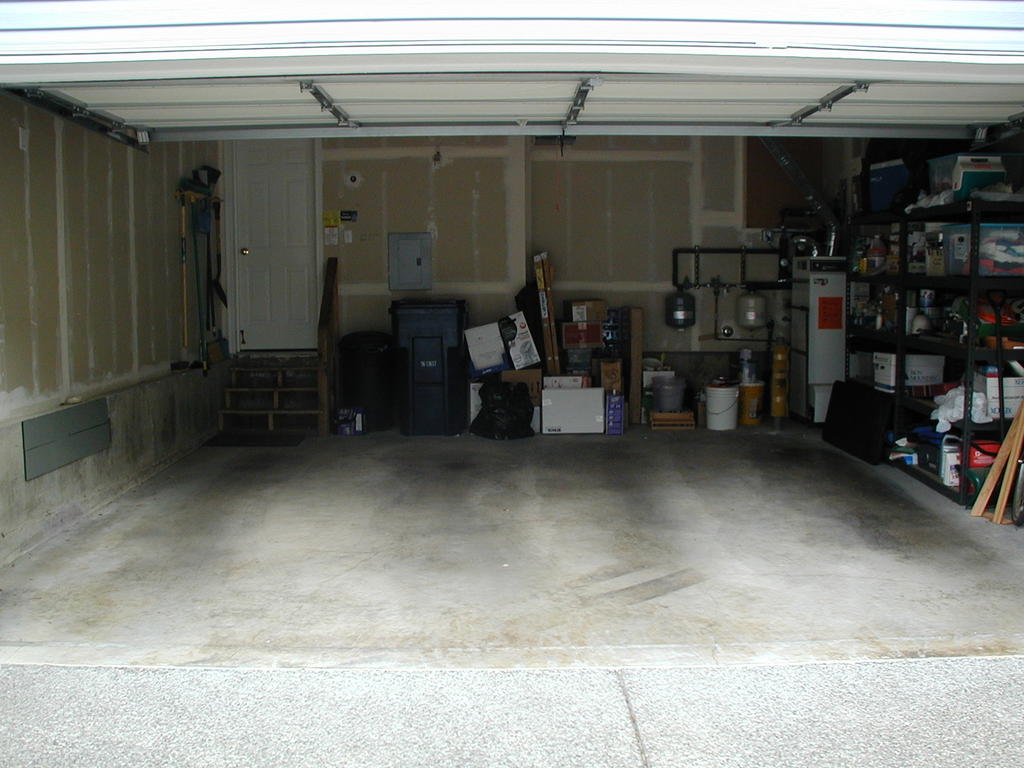
Start going to the right when you enter the house, and keep on following to the right. You will check each wall that way. Do the same on every floor. Look for settlement cracks, separating joints, defective plaster or other signs of stress or damage. Check wallpapered areas for crinkling or gathering, which may mean walls are settling or shifting.
Look For Leaks
Loose or wrinkled wallpaper could indicate a water leak somewhere. Look for water stains on the ceiling and walls. You may have to look closely -- bring a flashlight -- in case they have been painted over or repaired.
Spend time in the bathrooms and in every area with pipes, checking for leaks and drips. Also, run the shower and basin, then flush the toilet to check water pressure. Look for cracked or loose tiles and missing grout or mildew stains on the walls or floor, which could indicate a behind-the-wall leak.
Plug Into The Electrical System
Check every electric socket or outlet. Use a plug-in night light and turn every switch on and off. Look for extension cords and multiple plugs in sockets, which could mean insufficient or poorly placed sockets. Also check every appliance to be sure it works well.
Focus On Condition
Open and close every door and window. Look and listen for squeaking, sticking, or a tendency to close on their own. Check for evidence of shifting or settling around the front stoop, chimney and walks, and places where the driveway and the fence meet the house. Also check the deck for sturdiness and look for rotted wood. Go into the garage and check the walls, floors and doors -- inside and out.
Pay Attention To Pests
Look for termites and ants. Especially look along the foundation, around doors and entry points of wiring and pipes. Check the grading of the yard to be sure water runs away from the house.
If everything looks good to you and you decide to purchase the house, be sure to require a home inspection by a professional inspector before settlement. You will want a professional who will crawl into the crawl space, climb onto the roof and poke around with a flashlight in the attic. Your professional should also carefully inspect the major systems -- electrical, gas, plumbing and heating/air conditioning.
You can and should insist on a written report detailing what the problems are with the house, how important each one is. You may have to consult a contractor to estimate repair costs on any problems found.
Tuesday, October 04, 2005
Pitfalls of kitchen remodeling revealed
New book helps overcome obstacles 
By Robert J. Bruss
Inman News
If you are thinking about renovating your kitchen, first read "Tips and Traps for Remodeling Your Kitchen" by R. Dodge Woodson. Especially if you are thinking of doing the work yourself or being your own contractor and hiring sub-contractors, this book will bring you to your senses.
Woodson, a contractor for more than 30 years, shares his expert insights into the kitchen remodeling business and all the important aspects. Placing a very high emphasis on price, the author explains the pros and cons of being your own renovation contractor or doing some of the work yourself.
If the book has a fault, it is Woodson makes some of the work seem too easy. For example, he makes "hanging Sheetrock" appear to be a simple job. It's not. Having been involved with many house and kitchen remodels on my properties, I've watched expert drywall workers; even these professionals sometimes have difficulties getting it right.
Although the book has many photos of remodeled kitchens, illustrating the topics such as floors and cabinets, it is mostly about hiring a general contractor or doing the work yourself. Woodson explains, often in painful detail revealing possible complications, what is involved in tearing out an old kitchen and replacing it with an up-to-date kitchen.
Not only does the author explain unanticipated problems that he has encountered over his 30 years of construction experience, but he emphasizes the possible pitfalls to be anticipated. If ever there was a book of required reading for kitchen remodelers, this is it because it exposes the pitfalls and how to overcome them.
Having watched many friends remodel their kitchens, I understand the possible problems. One couple I know took almost a year to complete their kitchen because the remodeling contractor they hired was a real dunce. After they fired him, they discovered other remodeling contractors didn't want to complete their project started by another contractor.
Woodson explains how to successfully remodel your kitchen. He begins with the basics, such as roughly drawing what you want and then interviewing several remodeling contractors. He emphasizes how to compare bids, check references, and then hire a contractor. Or, you can do it yourself based on the great information in this new book.
More important, the author emphasizes how to save money. He shares his calendar of when is the best time of year to hire a remodeling contractor. Don't tell, but the best time is November, December or January when most remodeling contractors are least busy.
In addition, Woodson explains how to get even a better price by agreeing with the contractor to make your remodel a "fill-in job" or a "reference job." A fill-in job is highly discounted because the contractor can work on it when his other jobs are tied up with sub-contractors who are late or he has time between jobs.
A "reference job" means the contractor can refer other prospects to inspect the work in your home. The author recommends becoming a "reference job" in return for a big discount. He says you are likely to get the highest quality work and best service because the contractor will be using you as a reference.
Any homeowner considering remodeling his/her kitchen must read this book for its "insider information," which only an experienced remodeling contractor knows. To illustrate, Woodson explains why homeowners can save by shopping for materials among suppliers to get the best discount prices. He even shares how homeowners can get the customary contractor's 10 percent discounts.
Chapter topics include "Planning Your Job"; "Drawing Your Own Rough Plans"; "Solidifying Plans and Estimating Job Costs"; "Choosing Your Materials"; "Getting Your Best Price on Materials"; "Subcontractors"; "Selecting Contractors and Subcontractors"; "Dealing with Contractors"; "Code Considerations"; "Financing Your Project"; "Ripping Out Kitchens"; "Unexpected Conditions"; "Flooring"; "Walls and Ceilings"; "Mechanical Work"; and "Cabinets, Countertops, Fixtures, Trim and Appliances."
This ultra-complete guidebook for kitchen remodelers cannot be recommended too highly. It won't help you decide what kind of kitchen you want. But it will show you how to profitably deal with the contractors and sub-contractors. On my scale of one to 10, this simple book scores an off-the-chart 12.
"Tips and Traps for Remodeling Your Kitchen," by R. Dodge Woodson (McGraw-Hill, New York), 2005, $16.95, 202 pages; Available in stock or by special order at local bookstores, public libraries, and www.amazon.com.

By Robert J. Bruss
Inman News
If you are thinking about renovating your kitchen, first read "Tips and Traps for Remodeling Your Kitchen" by R. Dodge Woodson. Especially if you are thinking of doing the work yourself or being your own contractor and hiring sub-contractors, this book will bring you to your senses.
Woodson, a contractor for more than 30 years, shares his expert insights into the kitchen remodeling business and all the important aspects. Placing a very high emphasis on price, the author explains the pros and cons of being your own renovation contractor or doing some of the work yourself.
If the book has a fault, it is Woodson makes some of the work seem too easy. For example, he makes "hanging Sheetrock" appear to be a simple job. It's not. Having been involved with many house and kitchen remodels on my properties, I've watched expert drywall workers; even these professionals sometimes have difficulties getting it right.
Although the book has many photos of remodeled kitchens, illustrating the topics such as floors and cabinets, it is mostly about hiring a general contractor or doing the work yourself. Woodson explains, often in painful detail revealing possible complications, what is involved in tearing out an old kitchen and replacing it with an up-to-date kitchen.
Not only does the author explain unanticipated problems that he has encountered over his 30 years of construction experience, but he emphasizes the possible pitfalls to be anticipated. If ever there was a book of required reading for kitchen remodelers, this is it because it exposes the pitfalls and how to overcome them.
Having watched many friends remodel their kitchens, I understand the possible problems. One couple I know took almost a year to complete their kitchen because the remodeling contractor they hired was a real dunce. After they fired him, they discovered other remodeling contractors didn't want to complete their project started by another contractor.
Woodson explains how to successfully remodel your kitchen. He begins with the basics, such as roughly drawing what you want and then interviewing several remodeling contractors. He emphasizes how to compare bids, check references, and then hire a contractor. Or, you can do it yourself based on the great information in this new book.
More important, the author emphasizes how to save money. He shares his calendar of when is the best time of year to hire a remodeling contractor. Don't tell, but the best time is November, December or January when most remodeling contractors are least busy.
In addition, Woodson explains how to get even a better price by agreeing with the contractor to make your remodel a "fill-in job" or a "reference job." A fill-in job is highly discounted because the contractor can work on it when his other jobs are tied up with sub-contractors who are late or he has time between jobs.
A "reference job" means the contractor can refer other prospects to inspect the work in your home. The author recommends becoming a "reference job" in return for a big discount. He says you are likely to get the highest quality work and best service because the contractor will be using you as a reference.
Any homeowner considering remodeling his/her kitchen must read this book for its "insider information," which only an experienced remodeling contractor knows. To illustrate, Woodson explains why homeowners can save by shopping for materials among suppliers to get the best discount prices. He even shares how homeowners can get the customary contractor's 10 percent discounts.
Chapter topics include "Planning Your Job"; "Drawing Your Own Rough Plans"; "Solidifying Plans and Estimating Job Costs"; "Choosing Your Materials"; "Getting Your Best Price on Materials"; "Subcontractors"; "Selecting Contractors and Subcontractors"; "Dealing with Contractors"; "Code Considerations"; "Financing Your Project"; "Ripping Out Kitchens"; "Unexpected Conditions"; "Flooring"; "Walls and Ceilings"; "Mechanical Work"; and "Cabinets, Countertops, Fixtures, Trim and Appliances."
This ultra-complete guidebook for kitchen remodelers cannot be recommended too highly. It won't help you decide what kind of kitchen you want. But it will show you how to profitably deal with the contractors and sub-contractors. On my scale of one to 10, this simple book scores an off-the-chart 12.
"Tips and Traps for Remodeling Your Kitchen," by R. Dodge Woodson (McGraw-Hill, New York), 2005, $16.95, 202 pages; Available in stock or by special order at local bookstores, public libraries, and www.amazon.com.
Saturday, October 01, 2005
Blast From The Past
PastLove that retro look? You're not alone. Vintage and retro home furnishings, housewares and collectibles are hot.
If you're looking for authentic Fifties fabrics, a retro chrome floor lamp or starburst clock, or you just want to take a trip down memory lane, you may find these websites worth checking out:
If you're looking for authentic Fifties fabrics, a retro chrome floor lamp or starburst clock, or you just want to take a trip down memory lane, you may find these websites worth checking out:
- WallpaperFromThe70s.com
- GoodEyeOnline.com - furniture and accessories
- RetroDecades.com - furniture, housewares and more
- RetroHome.com - furnishings and collectibles from the '20s to the '70s
- Unique-Vintage.com - clothing and TV show wardrobe items
- VivaLaVintage.com -clothing and housewares from the '40s, '50s, '60s, '70s and '80s.
Monday, September 19, 2005
Townhome Just Listed in Renton
SOLD
I have more Homes avebale.
Please call me.
(206) 406-2710
.
19166 110th Pl SE Renton 98055
See Additional Pictures
Status Active Listing# 25135859 King County
Beds 2
Baths2.50
Gas Fireplace 1
List Price 224,750
Year Built 1998 Townhouse
Covd Prkg. 2 Garage-Attached
SQFT 1194
Map: 686 Grid: D-2
Appliances
Dishwasher, Dryer, Garbage Disposal, Range/Oven, Refrigerator, Washer
Interior Features : Bath Off Master, Ceiling Fan(s), Dining Room, Dble Pane/Strm Windw, Pantry, Security System, Vaulted Ceilings, Walk-in Closet
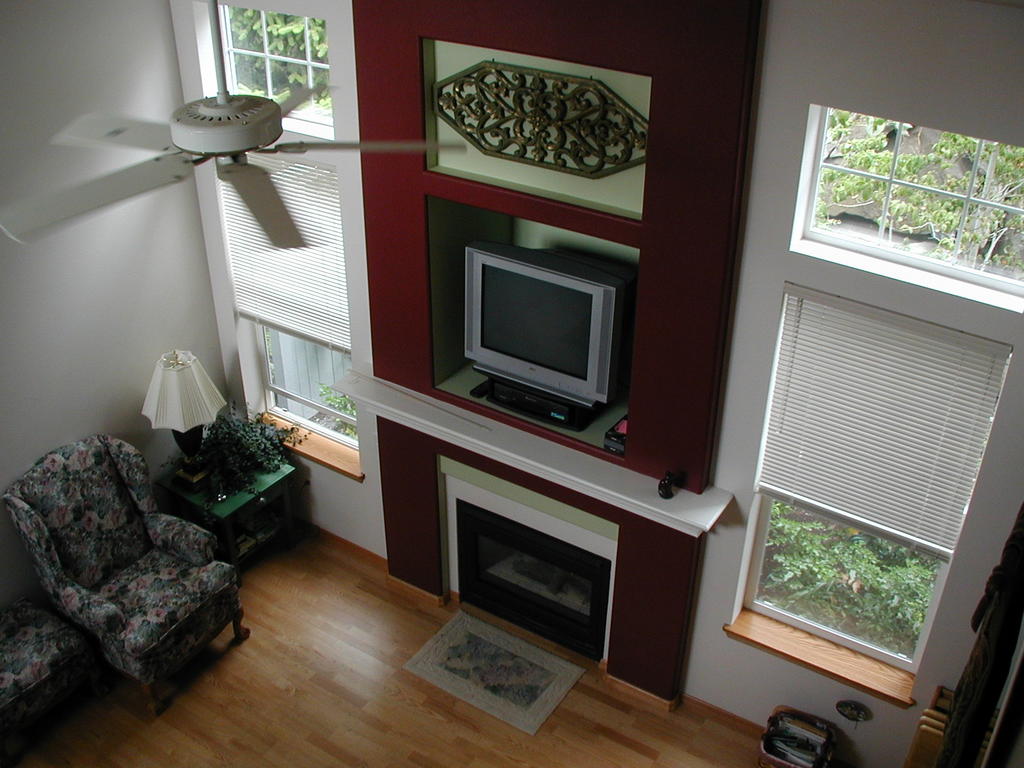
Location, Location. This wonderful town home has new red oak floors on the main level. The livingroom has vaulted ceiling and lots of tall windows. The diningroom has a glass sliding door to take advantage of the private back yard. Large kitchen with ample cabinets & counter space. This freshly painted home has a master bedroom with a large walk-in closet and a full bath. Also 2nd bedroom has it's own private bath. A 2 car garage,gas fireplace, powder room & much more. Come see it before it is too late.
Please Call me for more info.
(206) 406-2710
Lonnie Snyder / Keller Williams SE Sound
Lot Sizes And Square Footage Are Estimates.
Information From Reliable Sources, But Not Guaranteed.
What are the two most important factors when selling a home?
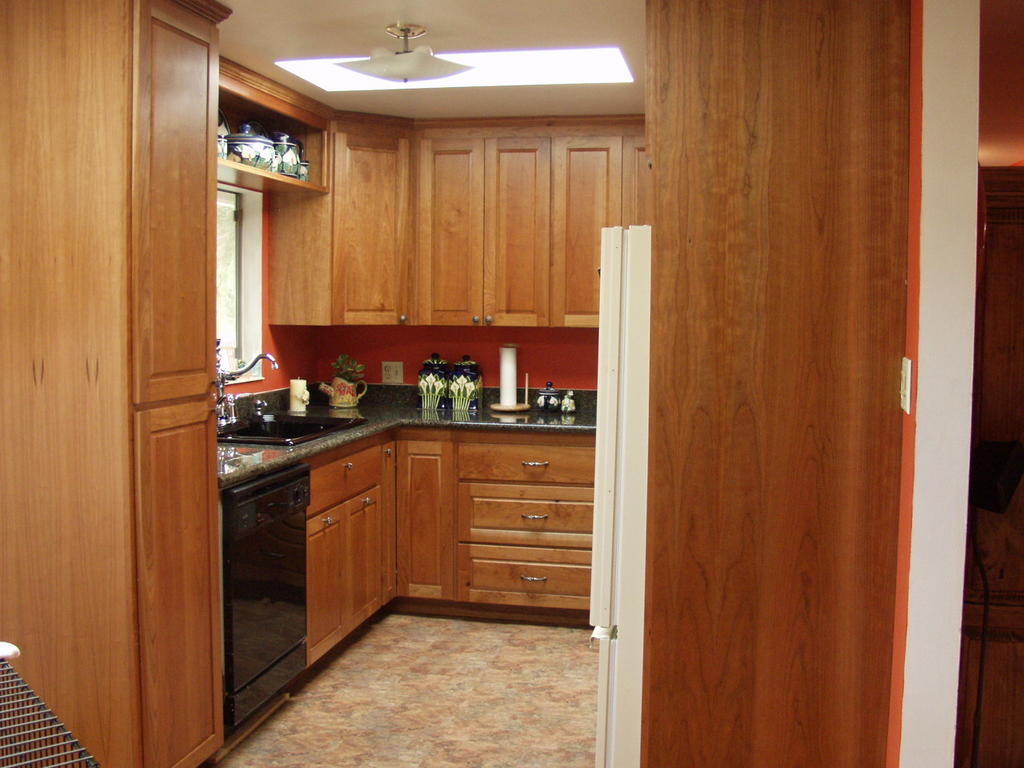
Price and condition are the two most important factors in selling a home, even in a down market. The first step is to price your home correctly. Use comparative sales information from your agent,(Thats me) or pay for a professional appraiser (usually $200 to $300), to objectively evaluate your home's worth. Second, go through the house and repair any obvious cosmetic defects that could deter a buyer.
In a down market, you may have to consider lowering your price and/or making a major repair, such as replacing the roof, in order to lure a buyer. Also, make sure that your home is getting the exposure it deserves through open houses, broker open houses, advertising, good signage and a listing on the local multiple listing service or online listings provider.
If this isn't happening, take it up with your agent or agent's broker. If you are still not satisfied you are getting the service you need, you may have to switch agents.
Thursday, September 08, 2005
Putting Your Home's Equity To Work.

Do you have idle equity sitting in your home that could be building wealth instead? One of the great aspects of homeownership is that you increase your wealth every month by building equity in your home and reducing your tax bill at the same time.After you've been in your home a few years, you may have some equity that you could put to work for you. Even if the property has appreciated by just a few percentage points per year, significant equity can build up fairly quickly. Just be sure you retain enough equity that you'll be able to pay a real estate agent's commission when you sell the home.
Home equity loans are the most common means of tapping a home's value. In states where home equity loans are not allowed, however, you can still put your home's value to work by refinancing it for more than you currently owe--a "cash out" refinancing.The first way most homeowners think of using their equity is to pay off high-interest debt. That's one popular option, but you could also invest that equity in other ways. Here are six more ways to put your equity to work for you.
1. Trade Up
Using your equity as a down payment for a larger home could make financial sense. If you're in a $200,000 home now and it appreciates by 5% each year, your gain is $10,000 for the first year. In five years, that home would be worth $255,256. But in a $275,000 home, that same 5% growth would be $13,750 for the first year. After five years, the more-expensive home would be worth $350,977-nearly $100,000 more than the less-expensive home.Of course, you may not be able to count on 5% appreciation every year. It could be higher or lower, depending on the state of the economy and market conditions. Not to worry, though. Even 2% appreciation will still add up over time.Using additional equity to trade up will allow you to put a significant amount of money down on your next home. That could allow you to own a home you never could afford before.
2. Downsize
Another way to use your equity is to scale down. With the recent changes in tax laws, homeowners may sell a home every two years and walk away with tax-free profits up to $250,000 (for singles) and $500,000 (for married couples). By scaling down, you can purchase a smaller, less-expensive primary dwelling, and use the extra cash for investments, debt reduction or even purchasing an investment property.
3. Investment Property
While the stock market often bounces up and down, many investors feel comfortable with the security of real estate. Not everyone has extra money to play the stock market profitably, but landlords can enjoy income every month. The secret is selecting the right property and finding expert property management if you don't want to manage the property yourself. We can help with both these issues."Some buyers have found it beneficial to purchase a property in the area where their college-age children are going to school. Their child can help manage the units and share the housing with other students to defray costs. The young adults learn responsibility and property management skills, and you have a live-in manager to watch over your investment.
4. Second Home
The real estate market has been fueled during the past few years by retiring baby boomers purchasing second homes. Maybe now is the time to purchase that home on the beach, at the lake or in the mountains. We can refer you to a knowledgeable agent in a resort area to help you with this move.If you know you're retiring to a particular area in the next few years, study that market now. You may want to buy the home now while prices are still affordable. If you do, you could rent the home during the peak vacation season. Many second homeowners discover they can just about cover their annual property expenses by renting out during peak season.
5. Shared Equity
Another way to put your idle equity to work is to lend it to an adult child as a down payment for his or her first home. Some parents maintain a co-ownership interest while the young adult makes the mortgage payments. At the time of the sale, the equity is then split between the two. This is called a shared-equity arrangement.
6. Remodel
If you really like where you're living, but desire a few more amenities, consider taking cash out for remodeling or adding to your current home. The interest paid on some home equity loans is tax deductible, just as it is with your first trust.
Wednesday, September 07, 2005
Are there programs for fixer-uppers?
If you need home loan to buy a "fixer-upper" and remodel it, look at the U.S. Department of Housing and Urban Development's Section 203(K) loan program. The program is designed to facilitate major structural rehabilitation of houses with one to four units that are more than one year old. Condominiums are not eligible.
A 203(K) loan is usually done as a combination loan to purchase a "fixer-upper" property "as is" and rehabilitate it, or to refinance a temporary loan to buy the property and do the rehabilitation. It can also be done as a rehabilitation-only loan. Investors no longer may participate - only owner-occupants. Owner-occupants are required to come up with only 3 to 5 percent. HUD requires that a minimum of $5,000 be spent on improvements.
Two appraisals are required. Plans and specifications for the proposed work must be submitted for architectural review and cost estimation. Mortgage proceeds are advanced periodically during the rehabilitation period to finance the construction costs.
Subscribe to:
Posts (Atom)

